


A smoothie shop is a vibrant and dynamic business, constantly bustling with customers seeking refreshing and healthy drinks. Amidst this high - traffic environment, the efficient cleaning of cups is an essential but often overlooked aspect. As a supplier of Commercial Cup Washer, I am frequently asked whether a commercial cup washer can be effectively used in a smoothie shop. In this blog, I will explore this question in detail, highlighting the benefits, considerations, and potential drawbacks of using a commercial cup washer in such an establishment.
Benefits of Using a Commercial Cup Washer in a Smoothie Shop
1. Efficiency and Time - Saving
In a smoothie shop, the volume of cups used can be substantial, especially during peak hours. Manually washing each cup is a time - consuming process that can take up valuable staff hours. A commercial cup washer, on the other hand, can clean multiple cups simultaneously in a short period. Most commercial cup washers are designed to complete a full cleaning cycle in under a minute, significantly reducing the time spent on dishwashing. This allows staff to focus on other important tasks such as taking orders, making smoothies, and serving customers, ultimately improving the overall efficiency of the shop.
For instance, a medium - sized smoothie shop that serves around 200 customers a day may require staff to wash hundreds of cups. With a commercial cup washer, what could take hours to do manually can be accomplished in a fraction of the time. This not only speeds up the cleaning process but also ensures that clean cups are always readily available, minimizing any potential delays in serving customers.
2. Consistent Cleaning Quality
Manual washing can sometimes result in inconsistent cleaning, with some cups not being thoroughly cleaned. A commercial cup washer uses a combination of high - pressure water jets, detergents, and precise temperature control to ensure that every cup is cleaned to the same high standard. The water jets are designed to reach all areas of the cup, including hard - to - reach corners and crevices, removing any smoothie residue, pulp, or other contaminants.
The use of detergents in the commercial cup washer also helps to break down stubborn stains and grease, leaving the cups sparkling clean. Additionally, the temperature control feature in these machines ensures that the water is hot enough to kill bacteria and sanitize the cups, which is crucial for maintaining a hygienic environment in the smoothie shop.
3. Cost - Effectiveness
Although the initial investment in a commercial cup washer may seem significant, it can be a cost - effective solution in the long run. By reducing the time spent on manual dishwashing, the shop can potentially save on labor costs. Moreover, a commercial cup washer uses less water and detergent compared to manual washing, resulting in lower utility bills.
In addition, the consistent cleaning quality provided by the commercial cup washer extends the lifespan of the cups. Cups that are not properly cleaned can develop stains and odors over time, which may require them to be replaced more frequently. By keeping the cups in good condition, the shop can save on the cost of purchasing new cups.
4. Hygiene and Safety
Maintaining high levels of hygiene is of utmost importance in a food and beverage establishment such as a smoothie shop. A commercial cup washer helps to ensure that the cups are thoroughly cleaned and sanitized, reducing the risk of cross - contamination and foodborne illnesses. The high - temperature water and cleaning agents used in the machine effectively kill bacteria, viruses, and other pathogens.
Furthermore, using a commercial cup washer reduces the physical strain on staff associated with manual dishwashing. Manual washing can lead to repetitive strain injuries, such as wrist and back pain. By automating the dishwashing process, the shop can create a safer working environment for its employees.
Considerations When Using a Commercial Cup Washer in a Smoothie Shop
1. Initial Investment
As mentioned earlier, purchasing a commercial cup washer requires a significant upfront investment. The cost of these machines can vary depending on the brand, size, features, and capacity. A basic commercial cup washer can cost anywhere from a few hundred dollars to several thousand dollars, while more advanced models with additional features such as adjustable water pressure and multiple wash cycles can be even more expensive.
Smoothie shop owners need to carefully consider their budget and determine whether the long - term benefits of using a commercial cup washer outweigh the initial cost. They may also need to explore financing options or compare prices from different suppliers to find the best deal.
2. Space Requirements
Commercial cup washers come in various sizes, and it is important to ensure that there is enough space in the smoothie shop to accommodate the machine. In addition to the physical space needed for the machine itself, there should also be sufficient space for loading and unloading the cups, as well as for storing the clean cups.
Smoothie shops are often limited in space, especially in busy urban areas. Therefore, shop owners need to carefully plan the layout of their kitchen or back - of - house area to ensure that the commercial cup washer can be installed without causing any obstruction or inconvenience.
3. Maintenance and Repairs
Like any other piece of equipment, commercial cup washers require regular maintenance to ensure optimal performance. This includes cleaning the machine, checking and replacing filters, and inspecting the water and detergent systems. Additionally, in case of breakdowns or malfunctions, prompt repairs are necessary to minimize downtime.
Smoothie shop owners need to factor in the cost and time associated with maintenance and repairs when considering using a commercial cup washer. They may also want to choose a supplier that offers reliable after - sales service and support.

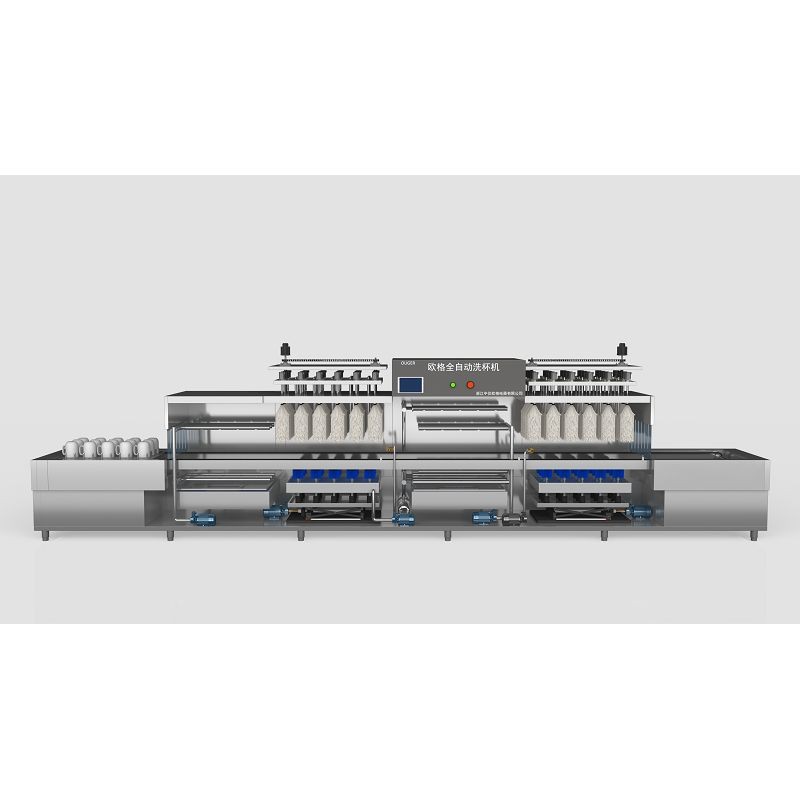
Potential Drawbacks
1. Damage to Cups
While commercial cup washers are designed to clean cups effectively, there is a slight risk of damage to the cups, especially if they are made of delicate materials or have intricate designs. The high - pressure water jets and the agitation during the cleaning cycle can cause cups to chip, crack, or become scratched.
To minimize this risk, smoothie shop owners should choose cups that are made of durable materials and are suitable for use in a commercial cup washer. They can also test a few cups in the machine before using it on a regular basis to ensure that there is no significant damage.
2. Noise
Commercial cup washers can be quite noisy during operation, which may be a nuisance in a small smoothie shop. The noise can disrupt the customer experience and create a less pleasant environment for both customers and employees.
Shop owners can mitigate this issue by placing the commercial cup washer in a separate area away from the customer seating area, or by using sound - insulating materials around the machine.
Conclusion
In conclusion, a commercial cup washer can be a valuable asset for a smoothie shop. The benefits of increased efficiency, consistent cleaning quality, cost - effectiveness, and improved hygiene far outweigh the potential drawbacks. However, smoothie shop owners need to carefully consider the initial investment, space requirements, maintenance, and potential risks before making a decision.
If you are a smoothie shop owner looking to enhance the efficiency and hygiene of your operation, I encourage you to reach out to us. As a leading supplier of Commercial Cup Washer, we can provide you with detailed information about our products, offer customized solutions based on your specific needs, and answer any questions you may have. Feel free to contact us to discuss how a commercial cup washer can transform your smoothie shop.
References
- "Commercial Dishwashing Equipment: A Guide for the Foodservice Industry", National Restaurant Association
- "Hygiene Standards in Food and Beverage Establishments", World Health Organization
- "Cost - Benefit Analysis of Commercial Kitchen Equipment", Journal of Foodservice Management


