

Your Professional Rope Conveyor System Supplier
Zhejiang Zhongyi Ouge Electrical Appliance Co., Ltd. was established in January 2018 with a registered capital of 30 million yuan. The factory covers an area of 20,000 square meters. Its predecessor, "Zhejiang Zhongyi Science and Education Equipment Co., Ltd.", is a cooperative enterprise of the internationally renowned high-tech electronics enterprise Hong Kong Zhongyi International Group. Since 2003, the original company has specialized in producing multi-functional commercial dishwashers and intelligent meal vending systems, undertaking large-scale kitchen equipment projects, overall design and planning of central kitchens, and equipment supporting, etc.
-
![10m Rope Conveyor System]() 10m Rope Conveyor SystemThe rope conveyor belt is mainly used in hotels, schools, hospitals, large enterprise canteens and other places. The 10m rope conveyor system can be used with dishwashers, simple operation,...view more
10m Rope Conveyor SystemThe rope conveyor belt is mainly used in hotels, schools, hospitals, large enterprise canteens and other places. The 10m rope conveyor system can be used with dishwashers, simple operation,...view more

Why choose us
Leading Technological Innovation
The R&D center will continue to increase its investment in the R&D of core technologies for dishwashers and related electrical products to achieve more precise water level and temperature control of dishwashers, significantly improving cleaning efficiency and energy saving effects.
Deepening Industry-University-Research Collaboration
Further deepen cooperative relationships with universities and research institutions. Sign industry-university-research cooperation agreements with domestic universities to co-establish joint laboratories and talent training bases.
Our customization
In response to the special needs of customers, we will provide customized solutions to help customers solve specific problems and meet their personalized needs.
Our Services
We try and respond to all concerns within 24 hours and our teams are always at your disposal in case of any emergencies.
Rope Conveyor System
Rope Conveyor is a product for transporting empty cans (max. 120,000 cans/h) in various variations. can bridge different distances between connecting systems. For example, between a separating conveyor (after the depaletter) and a rinser. In addition, various inclinations of rope transport can be installed. Rope transport is a tried-and-tested transport system in modular design based on a stainless steel basic construction.
|
Product size |
L*520*950MM |
|
Running speed |
1-15 m/min (variable frequency infinitely variable speed) |
|
Voltage |
380V/50HZ |
|
Aggregate capacity |
0.75KW |
Advantages of Rope Conveyor System


Increased Efficiency and Throughput
One of the primary advantages of rope belt conveyors is their ability to significantly raise efficiency levels within a warehouse. These conveyors allow for the continuous movement of materials, eliminating the need for manual handling and reducing the chances of bottlenecks in the workflow.
Enhanced Flexibility
Rope belt conveyors offer a high degree of flexibility, making them adaptable to a wide range of warehouse layouts and configurations. Unlike rigid conveyor systems, the rope belt technology allows for curves and changes in elevation, allowing warehouses to maximize their available space and navigate around existing structures or obstacles.
Reduced Material Damage
Traditional conveyor systems often pose a risk of product damage or deformation during transportation. However, rope belt conveyors provide a gentle conveying solution, minimizing the likelihood of material damage. The belts used in these systems are designed to be durable yet soft, ensuring a smooth and gentle conveying motion.
Enhanced Safety
Warehouse safety is of utmost importance, and rope belt conveyors contribute significantly to creating a safe working environment. These conveyors are equipped with advanced safety features such as emergency stop buttons, sensors, and alarms to prevent accidents and mitigate potential risks.
Reduced Maintenance and Downtime
Maintaining traditional conveyor systems can be time-consuming and costly, particularly when components need to be repaired or replaced. In contrast, rope belt conveyors are designed to require minimal maintenance, resulting in reduced downtime and increased operational efficiency.
Type of Rope Conveyor System
Steel Cord Conveyor Belts
Using high-strength steel cord as the longitudinal skeleton, covered with rubber or plastic, they offer exceptional tensile strength, impact and tear resistance, and a long service life.
Wire Cord Traction Conveyor Belts
The steel cord is not embedded in the belt body; instead, it serves as the external traction mechanism. The belt body itself is reinforced with rubber or fabric.
Fabric Conveyor Belts
Using a fiber fabric such as polyester (EP) or nylon (NN) as the skeleton, covered with rubber. They are suitable for conveying materials within factories.
Applications
Rope conveyor belt are commonly used in the food processing industry to transport raw materials through different stages of production, such as washing, cutting, cooking, and packaging. These conveyors are often made from food-grade materials like stainless steel or plastic to ensure hygiene and safety.
In mining and quarrying, Rope conveyor belt are used to transport large amounts of materials like coal, ore, and aggregate over long distances. These conveyors help to reduce transportation costs and minimize environmental impact by replacing trucks for material movement.
Rope conveyor belt are essential in agriculture for the movement of crops, grains, and other materials within farms and processing facilities. They help farmers to load trucks, transport grains to silos, and efficiently move harvested products from the field to storage.
In recycling plants, Rope conveyor belt transport recyclable materials such as plastics, glass, paper, and metals through sorting and processing systems. These conveyors contribute to increased recycling efficiency and help reduce the environmental impact of waste.
Rope conveyor belt are an essential component of airport baggage handling systems. They help to move luggage efficiently from check-in counters to the loading area of aircraft and from aircraft to baggage claim areas. These systems are designed to handle large volumes of baggage quickly and accurately.
Components and Working Principles
Ropes and Belts
The ropes and belts are fundamental elements of a rope belt conveyor. Robust ropes made of high-strength materials, such as steel or synthetic fibers, form the core structure of the conveyor. These ropes are attached to a series of belt units that move along the ropes, creating a continuous loop for material transport. The belts are typically constructed from durable yet flexible materials, ensuring longevity and gentle handling of goods.
Drive Units
The drive units play a pivotal role in propelling the rope belt conveyors. Depending on the specific configuration and requirements of the warehouse, different types of drive units can be employed. Common options include electric motors, hydraulic systems, or pneumatic drives. These units transmit power to the ropes and belts, initiating the movement of the materials through the conveyor system.
Transfer Points
Transfer points are vital components that facilitate the smooth transition of materials from one conveyor section to another. These points are designed to minimize impact and ensure gentle material handling during transfers, reducing the risk of damage or spillage. Advanced transfer point solutions utilize innovative technologies, such as chute systems and impact-absorbing materials, to guarantee seamless material flow throughout the conveyor system.
Control and Automation Systems
Rope belt conveyors heavily rely on modern control and automation systems to optimize performance, improve accuracy, and enhance overall efficiency. These systems allow for precise control over the conveyor's speed, acceleration, and deceleration, ensuring seamless material movement and reducing the risk of jams or blockages. Furthermore, automation enables the integration of various sensors and monitoring devices, providing real-time data on the state of the conveyor system and facilitating proactive maintenance practices.
Maintenance and Cleaning
Daily Inspection
Cover Wear: When the rubber layer is worn to the point where the wire rope is exposed (remaining thickness: <3mm), it must be replaced.
Joint Condition: Regularly inspect vulcanized joints for cracks and loose mechanical joint bolts.
Idler/Pulley: Ensure smooth rotation, free from binding or abnormal wear.
Cleaning Management
Cleaning Device: Install cleaning devices such as scrapers and rotating brushes to prevent material from sticking.
Belt Cleaning: Prevent oil and chemicals from corroding the rubber layer.
Lubrication Management
Idler Bearings: Lubricate with lithium-based grease every three months.
Pulley Bearings: Check lubrication every six months.

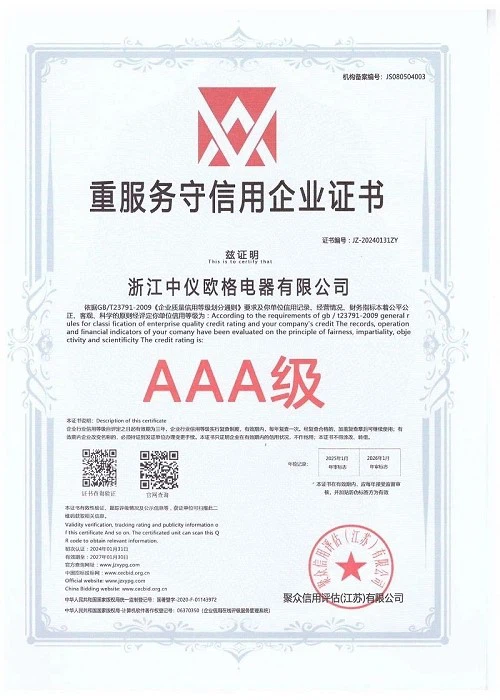
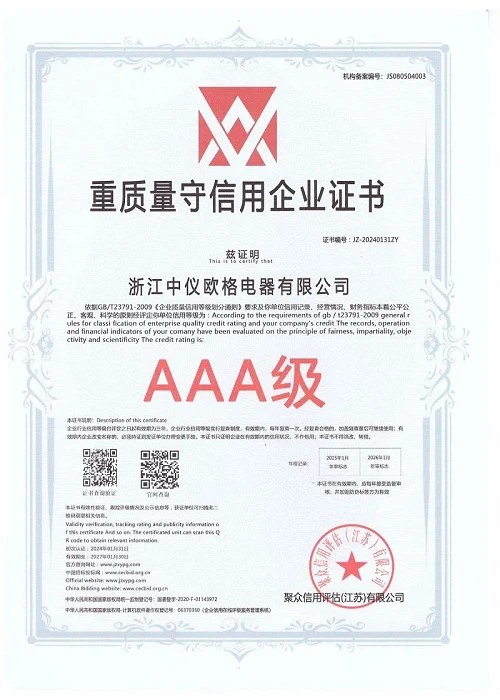
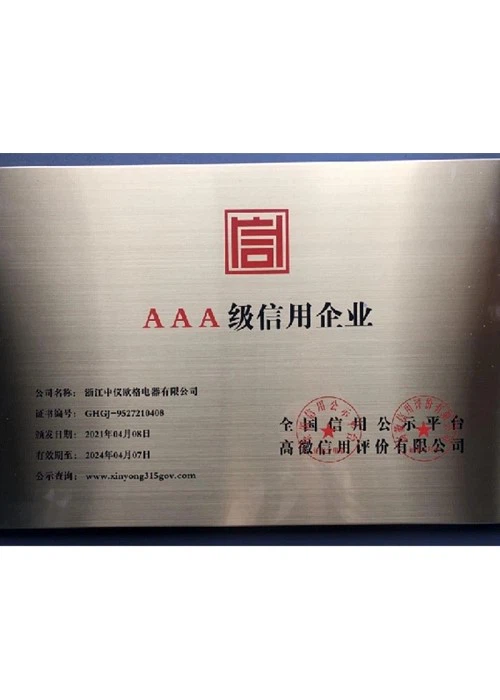
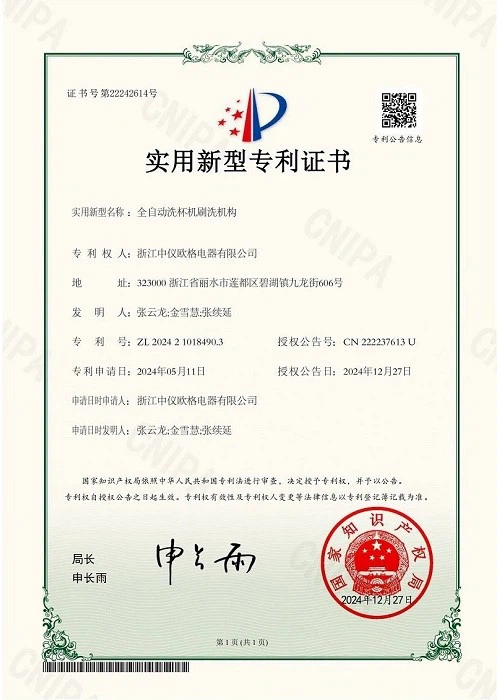
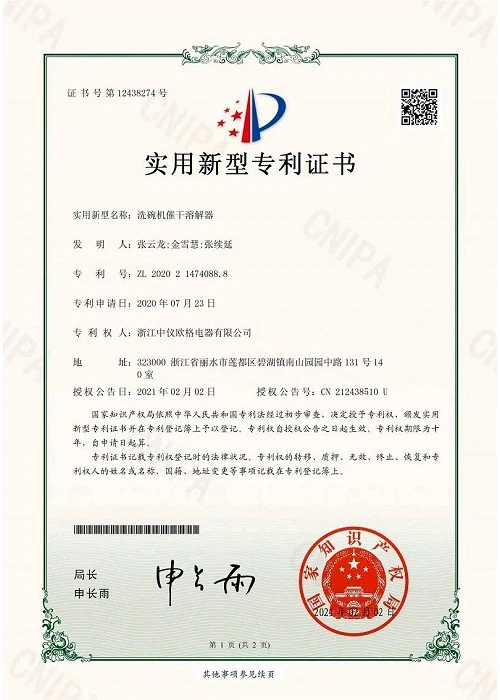
Our Certifications
FAQ
As one of the leading rope conveyor system manufacturers in China, we warmly welcome you to buy intelligent rope conveyor system made in China here and get pricelist from our factory. For price consultation, contact us.
foldable conveyor belt, conveyor belt price per meter, 6 inch rubber belting


