


Do commercial glass washers use a lot of water? This is a question that many business owners and operators in the hospitality and foodservice industries often ask. As a supplier of commercial glass washers, I am well - versed in the technology and functionality of these machines, and I'm here to provide you with an in - depth analysis.
Understanding Commercial Glass Washers
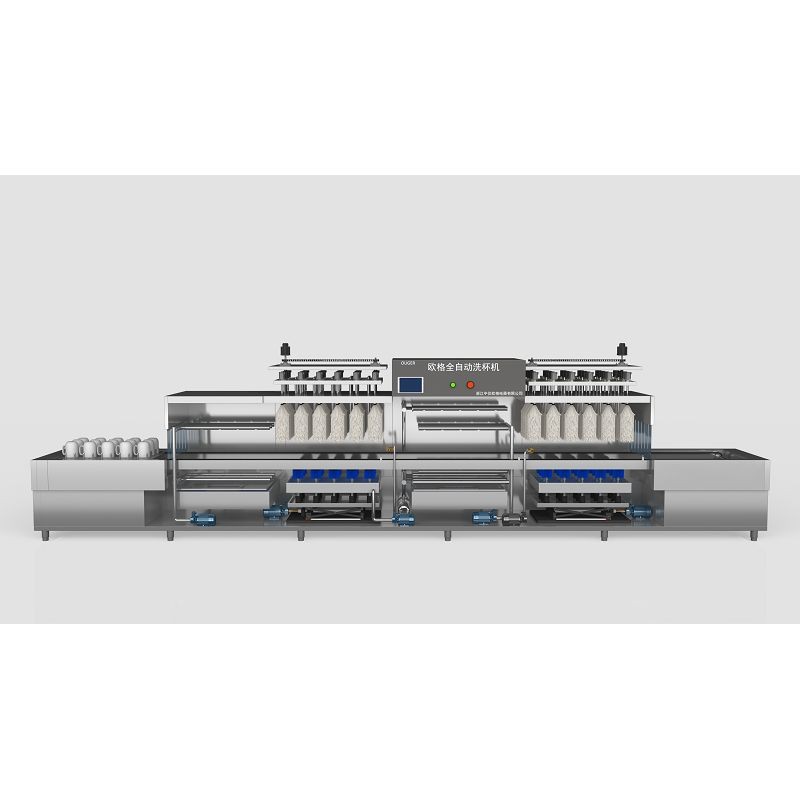
Commercial glass washers are specifically designed to meet the high - volume glassware cleaning needs of restaurants, bars, cafes, and other food and beverage establishments. They come in various types, including under - counter, pass - through, and conveyor models. Each type has its own unique features and capabilities, but they all share the common goal of efficiently and effectively cleaning glassware.
Under - counter glass washers are compact and ideal for smaller establishments with limited space. They are typically used for washing a moderate number of glasses at a time. Pass - through glass washers, on the other hand, are larger and allow for a continuous flow of glassware. They are commonly found in medium - to - large - sized restaurants and bars. Conveyor glass washers are the most high - capacity option, designed for large - scale operations where a large number of glasses need to be cleaned quickly.
Water Usage Factors
When it comes to water usage, several factors influence how much water a commercial glass washer consumes.
Machine Design and Technology
Modern commercial glass washers are equipped with advanced water - saving technologies. For example, many models use a recirculation system. In this system, the water used in the washing process is filtered and reused multiple times. This significantly reduces the overall amount of fresh water required. Instead of constantly using new water for each wash cycle, the machine can make the most of the existing water supply, only adding a small amount of fresh water to maintain the proper cleaning solution concentration.
Another technological advancement is the use of precision spray nozzles. These nozzles are designed to direct water precisely where it is needed on the glassware. By targeting the areas that require cleaning, they can achieve effective cleaning with less water compared to traditional, less - efficient spraying systems.
Wash Cycle Settings
The wash cycle settings also play a crucial role in water usage. Most commercial glass washers offer different wash cycle options, such as a light wash for lightly soiled glasses and a heavy - duty wash for more stubborn stains. A light wash cycle typically uses less water because it requires a shorter cleaning time and less intensive water flow. Operators can select the appropriate wash cycle based on the actual condition of the glassware, which helps in optimizing water consumption.

Load Capacity
The load capacity of the glass washer can affect water usage. Overloading the machine can lead to inefficient cleaning and may require additional water to achieve the desired results. On the other hand, under - loading the machine can also be wasteful, as the same amount of water is used for a smaller number of glasses. Therefore, it is important to load the glass washer to its recommended capacity to ensure efficient water usage.
Comparing with Traditional Cleaning Methods
To better understand whether commercial glass washers use a lot of water, it is useful to compare them with traditional manual glassware cleaning methods.
When glasses are washed by hand, it is common for water to run continuously from the faucet during the cleaning process. Workers may not be as precise in controlling the water flow, and there is often a significant amount of water wasted. Additionally, hand - washing may require multiple rinses to ensure that all the soap and dirt are removed from the glasses.
In contrast, commercial glass washers are designed to be more water - efficient. As mentioned earlier, with their recirculation systems and precision spray nozzles, they can clean a large number of glasses with a relatively small amount of water. For example, a busy bar that washes hundreds of glasses a day may find that using a commercial glass washer can save a substantial amount of water compared to hand - washing all the glasses.
Real - World Examples
Let's take a look at some real - world scenarios to illustrate the water - saving potential of commercial glass washers.
A small café that previously washed all its glasses by hand switched to using an under - counter commercial glass washer. Before the switch, they estimated that they were using approximately 50 gallons of water per day for glassware cleaning. After installing the glass washer, they found that their daily water usage for glass cleaning dropped to around 15 gallons. This represents a significant reduction in water consumption, which not only helps the environment but also lowers the café's water bill.
In a large restaurant with a high volume of glassware, a pass - through commercial glass washer was installed. The restaurant was able to clean a much larger number of glasses in a shorter period of time, and the water recirculation system in the washer reduced the overall water usage by about 40% compared to their previous cleaning methods.
The Environmental and Cost Benefits
The reduced water usage of commercial glass washers has both environmental and cost benefits.
From an environmental perspective, using less water helps conserve this precious natural resource. Water scarcity is a growing global issue, and every effort to reduce water consumption counts. By choosing a water - efficient commercial glass washer, businesses can contribute to sustainable water management.
In terms of cost, lower water usage means lower water bills. For businesses in the hospitality industry, where profit margins can be tight, reducing operating costs is always a priority. The initial investment in a commercial glass washer can be offset by the long - term savings on water expenses.
Conclusion
In conclusion, commercial glass washers do not necessarily use a lot of water. Thanks to advanced technologies such as recirculation systems, precision spray nozzles, and customizable wash cycle settings, these machines are designed to be water - efficient. When compared to traditional manual cleaning methods, they can significantly reduce water consumption.
If you are in the market for a commercial glass washer, consider the Commercial Cup Washer offered by our company. Our products are designed with the latest water - saving technologies to ensure that you get the best cleaning performance while minimizing water usage.
If you have any questions or are interested in purchasing a commercial glass washer, we invite you to contact us for a detailed discussion. Our team of experts is ready to assist you in finding the perfect glass washer solution for your business needs.
References
- "Commercial Dishwashing Equipment: A Guide to Efficiency and Sustainability." National Restaurant Association.
- "Water - Saving Technologies in Commercial Kitchen Appliances." Journal of Foodservice Technology.


