


Hey there! As a supplier of Commercial Cup Washers, I've seen my fair share of common problems that customers run into. In this blog, I'll walk you through how to troubleshoot these issues so you can keep your cup washer running smoothly.
1. Cups Aren't Getting Clean
One of the most common complaints I hear is that the cups aren't coming out clean after a wash cycle. There could be a few reasons for this.
Clogged Spray Arms
The spray arms are responsible for distributing water over the cups. Over time, they can get clogged with debris like food particles, limescale, or soap scum. To check if the spray arms are clogged, remove them from the washer. You can usually do this by unscrewing a nut or clip. Once removed, inspect the small holes in the spray arms. If they're blocked, use a toothpick or a small wire to clear them out. After cleaning, reinstall the spray arms and run a test cycle.
Low Water Pressure
If the water pressure is too low, the spray arms won't be able to distribute water effectively. You can check the water pressure by looking at the water inlet valve. If it's a mechanical valve, you might be able to adjust it to increase the pressure. However, if it's an electronic valve, you might need to call a professional. Another thing to check is the water supply line. Make sure it's not kinked or blocked. You can also try checking the water pressure at the source, like the main water line in your building.
Incorrect Detergent Usage
Using the wrong type of detergent or the wrong amount can also lead to dirty cups. Make sure you're using a detergent specifically designed for commercial cup washers. Follow the manufacturer's instructions on the detergent packaging for the correct dosage. Using too little detergent won't clean the cups properly, while using too much can leave a residue.
2. Leaking Cup Washer
A leaking cup washer can be a real headache. It can damage your floors and potentially cause electrical problems.
Loose Hoses
The first thing to check is the hoses. Over time, the hoses can become loose or develop cracks. Inspect all the hoses connected to the cup washer, including the water inlet hose and the drain hose. If you find a loose hose, tighten the connections. If there's a crack, you'll need to replace the hose. You can usually find replacement hoses at your local hardware store or order them from the manufacturer.
Faulty Gaskets
Gaskets are used to seal the doors and other openings in the cup washer. If a gasket is damaged or worn out, it can cause leaks. Check the gaskets around the door and any other access points. Look for signs of wear, like cracks or tears. If you find a damaged gasket, you'll need to replace it. You can order replacement gaskets from the manufacturer or a parts supplier.
Overfilling
Sometimes, a leaking cup washer is simply the result of overfilling. Make sure you're not putting too many cups in the washer at once. Overfilling can cause water to spill out of the washer during the wash cycle.
3. Noisy Operation
If your cup washer is making a lot of noise, it could be a sign of a problem.
Loose Parts
Check for any loose parts inside the cup washer. This could include the spray arms, the racks, or other components. Tighten any loose screws or bolts. You can also try removing the racks and spray arms and then reinstalling them to make sure they're properly seated.
Worn Bearings
The bearings in the motor or the pump can wear out over time, causing a noisy operation. If you suspect worn bearings, it's best to call a professional technician. They'll be able to diagnose the problem and replace the bearings if necessary.
Air in the System
Sometimes, air can get trapped in the water lines or the pump, causing a rattling or humming noise. To get rid of the air, you can try running a few short wash cycles with no cups in the washer. This can help flush out the air from the system.
4. Error Codes
Many modern commercial cup washers come with an error code system. If you see an error code on the display, it can give you a clue about what's wrong.
Check the Manual
The first thing to do when you see an error code is to check the user manual. The manual will usually have a list of error codes and their meanings. Follow the instructions in the manual to troubleshoot the problem.
Contact the Manufacturer
If you can't figure out the problem from the manual, or if the problem persists after following the troubleshooting steps, contact the manufacturer. They'll be able to provide more specific advice based on the error code and the model of your cup washer. You can usually find the manufacturer's contact information on their website or on the product label.
5. Slow Cycle Times
If your cup washer is taking longer than usual to complete a wash cycle, there could be a few reasons.
Low Water Temperature
The water temperature plays a crucial role in the cleaning process. If the water is too cold, the detergent won't work as effectively, and the wash cycle will take longer. Check the water heater to make sure it's set to the correct temperature. The ideal water temperature for a commercial cup washer is usually around 140 - 160°F (60 - 71°C).
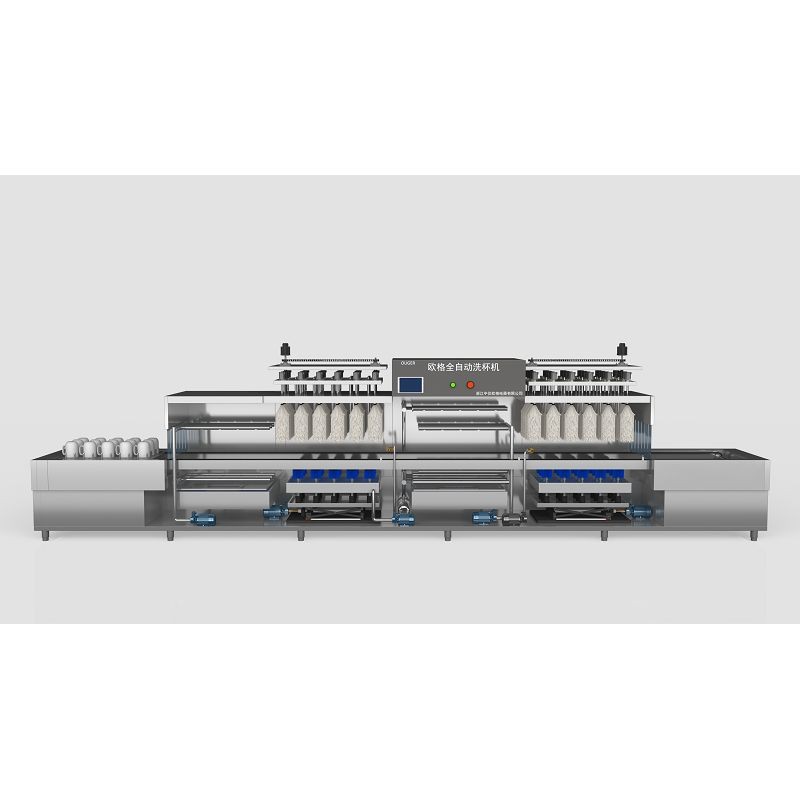

Clogged Drain
A clogged drain can also slow down the wash cycle. If the water can't drain properly, the cup washer will have to spend more time draining the water before it can start the next phase of the cycle. Check the drain hose and the drain pump for any blockages. You can use a drain snake or a plunger to clear the blockage.
Overloaded Machine
As mentioned earlier, overloading the cup washer can cause all sorts of problems, including slow cycle times. Make sure you're not putting too many cups in the washer at once. Follow the manufacturer's guidelines for the maximum capacity of the machine.
In conclusion, troubleshooting common problems with a commercial cup washer doesn't have to be a daunting task. By following these steps, you can often identify and fix the problem on your own. However, if you're ever unsure or if the problem persists, don't hesitate to contact a professional technician.
If you're in the market for a new Commercial Cup Washer or need replacement parts for your existing one, I'd love to help. Just reach out, and we can start a conversation about your needs. Whether you're a small café or a large restaurant, we have the right solutions for you.
References
- Manufacturer's user manuals for commercial cup washers
- Industry best practices for commercial kitchen equipment maintenance


