


Hey there! I'm a supplier of PVC Plain Conveyor Belt, and I've been in this industry for quite a while. One question that often pops up is how the anti - corrosion performance affects the service life of a PVC Plain Conveyor Belt. Well, let's dig into it.
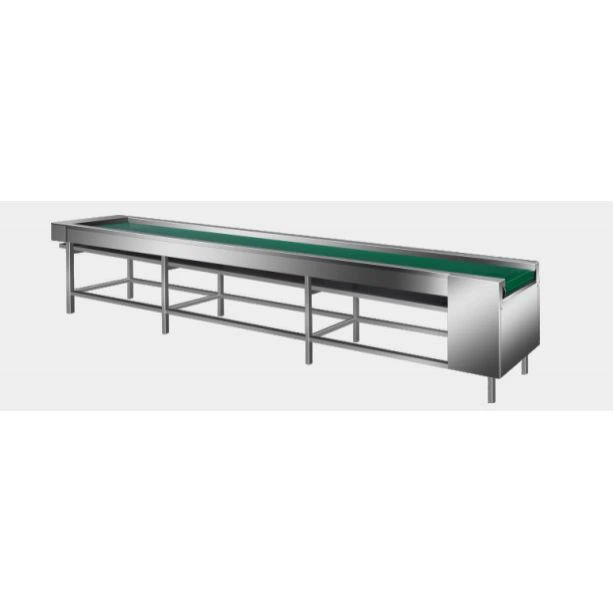
First off, let's understand what a PVC Plain Conveyor Belt is. It's a type of conveyor belt made from polyvinyl chloride (PVC). These belts are widely used in various industries, like food processing, packaging, and material handling. They're known for their flexibility, durability, and relatively low cost. But when it comes to their service life, the anti - corrosion performance plays a crucial role.
So, what exactly is corrosion in the context of a PVC Plain Conveyor Belt? Corrosion can happen in different ways. For instance, in a food processing plant, the belt might come into contact with acidic or alkaline substances. These chemicals can react with the PVC material, causing it to degrade over time. In a manufacturing environment, there could be exposure to oils, greases, or even water with high mineral content. All these factors can contribute to corrosion.
Now, let's talk about how anti - corrosion performance impacts the service life. When a conveyor belt has good anti - corrosion properties, it can resist the damage caused by these corrosive substances. For example, a high - quality PVC Plain Conveyor Belt with excellent anti - corrosion features can withstand repeated exposure to mild acids without significant deterioration. This means it can keep running smoothly for a longer period.
On the flip side, if the anti - corrosion performance is poor, the belt will start to show signs of wear and tear much earlier. The corrosive substances can break down the molecular structure of the PVC. This might lead to cracks, holes, or a loss of flexibility in the belt. Once these issues start to occur, the belt's performance will be affected. It might start slipping on the rollers, or it could even break, causing production downtime.
Let's take a real - world example. I had a customer in the beverage industry. They were using a PVC Plain Conveyor Belt in a part of their production line where the belt was constantly in contact with a slightly acidic cleaning solution. At first, they didn't pay much attention to the anti - corrosion performance of the belt. After a few months, they noticed that the belt was starting to become brittle and was developing small cracks. This led to frequent belt replacements, which were not only costly but also caused disruptions in their production.
When they switched to a belt with better anti - corrosion properties from us, the situation improved significantly. The new belt could handle the acidic solution without any major issues. They were able to use the same belt for over a year without any problems, which saved them a lot of money in the long run.
Another aspect to consider is the environment in which the conveyor belt operates. In a humid environment, moisture can accelerate the corrosion process. If the belt doesn't have good anti - corrosion features, the moisture can seep into the material, causing rust (if there are any metal components in the belt) or promoting the growth of mold and mildew. This can further degrade the belt and reduce its service life.
However, a belt with proper anti - corrosion treatment can form a protective barrier against moisture. It can prevent water from penetrating the material and causing damage. This is especially important in industries like agriculture, where conveyor belts are often used outdoors and are exposed to rain and humidity.
Now, how do we measure the anti - corrosion performance of a PVC Plain Conveyor Belt? There are several methods. One common way is through laboratory tests. These tests expose the belt samples to different corrosive substances for a set period. Then, the samples are examined for any signs of damage, such as changes in color, hardness, or strength.
We also have field tests, where we install the belts in real - world environments and monitor their performance over time. This gives us a more accurate picture of how the belts will perform in actual use. Based on the results of these tests, we can rate the anti - corrosion performance of our belts and provide our customers with the best - suited products for their needs.
If you're in the market for a PVC Plain Conveyor Belt, it's essential to consider the anti - corrosion performance. Don't just go for the cheapest option. Instead, look for a belt that offers a good balance between cost and anti - corrosion features. A little extra investment in a high - quality, corrosion - resistant belt can save you a lot of headaches and money in the long term.
We at [Our Company] (I can't mention the name but you get the idea) are committed to providing the best PVC Plain Conveyor Belts with top - notch anti - corrosion performance. We use the latest manufacturing techniques and high - quality materials to ensure that our belts can withstand even the harshest environments.
If you're interested in learning more about our products or have any questions regarding the anti - corrosion performance of our belts, feel free to reach out. We're here to help you make the right choice for your business. Whether you're in the food industry, manufacturing, or any other sector that uses conveyor belts, we can offer you the perfect solution. Let's start a conversation and see how we can improve your production process with our high - quality PVC Plain Conveyor Belts.
References:
- Smith, J. (2018). "Corrosion Resistance in Industrial Conveyor Belts." Journal of Industrial Materials, 22(3), 45 - 52.
- Johnson, A. (2020). "The Impact of Environmental Factors on Conveyor Belt Durability." International Journal of Manufacturing Technology, 35(2), 78 - 85.


