


The design of the conveyor frame plays a pivotal role in determining the performance of a PVC Plain Conveyor Belt. As a supplier of PVC Plain Conveyor Belts, I have witnessed firsthand how different frame designs can either enhance or hinder the functionality of these belts. In this blog, I will delve into the various aspects of conveyor frame design and how they impact the performance of PVC Plain Conveyor Belts.
Structural Integrity and Support
One of the primary functions of the conveyor frame is to provide structural support for the PVC Plain Conveyor Belt. A well - designed frame should be able to withstand the weight of the belt itself, as well as the load it is carrying. If the frame is not sturdy enough, it can lead to sagging of the belt. Sagging can cause uneven distribution of the load on the belt, which may result in premature wear and tear. For instance, when a heavy load is placed on a conveyor with a weak frame, the belt may stretch in the areas where the frame sags, leading to increased stress on the belt material. This can cause the belt to develop cracks or even break over time.
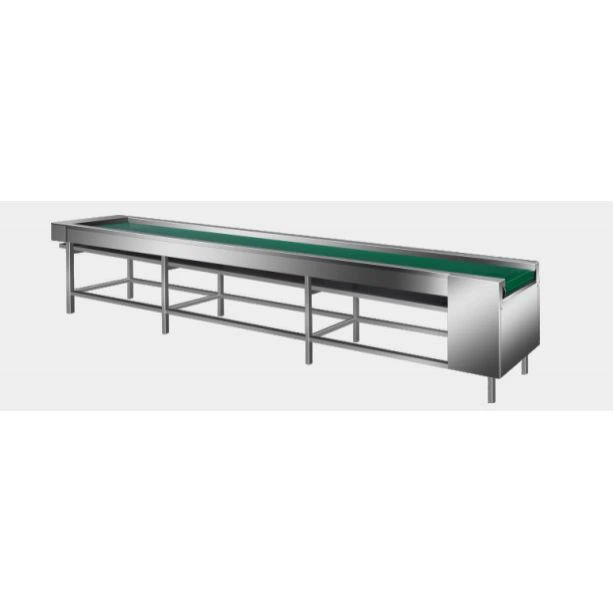
A rigid frame, on the other hand, ensures that the belt remains flat and stable during operation. It evenly distributes the load across the belt, reducing the risk of damage. For example, a frame made of high - quality steel with proper cross - bracing can provide excellent support for the PVC Plain Conveyor Belt. The cross - bracing helps to prevent lateral movement of the frame, which in turn keeps the belt in alignment. This alignment is crucial for the smooth operation of the belt, as misaligned belts can cause jams and reduce the overall efficiency of the conveyor system. PVC Plain Conveyor Belt
Frame Dimensions and Belt Compatibility
The dimensions of the conveyor frame are also critical in determining the performance of the PVC Plain Conveyor Belt. The width of the frame should be carefully matched to the width of the belt. If the frame is too narrow, the belt may rub against the sides of the frame, causing abrasion. This abrasion can wear down the edges of the belt, reducing its lifespan. On the other hand, if the frame is too wide, the belt may not be properly supported, leading to sagging and instability.
The length of the frame also affects the belt's performance. Longer frames require more tension to keep the belt taut. If the tension is not properly adjusted, the belt may slip or become loose, which can disrupt the flow of materials on the conveyor. Additionally, the height of the frame can impact the ease of loading and unloading materials onto the belt. A frame that is too low may make it difficult to load heavy items, while a frame that is too high may pose safety risks.
Alignment and Tracking
Proper alignment of the conveyor frame is essential for the tracking of the PVC Plain Conveyor Belt. A misaligned frame can cause the belt to drift to one side, leading to uneven wear and potential damage. The frame should be installed level and straight to ensure that the belt runs in a straight line. This requires precise measurement and installation during the setup process.
Some conveyor frames are equipped with tracking mechanisms to help keep the belt centered. These mechanisms can include adjustable rollers or guides that can be adjusted to correct any misalignment. For example, if the belt starts to drift to the right, the tracking mechanism can be adjusted to push the belt back to the center. This not only improves the performance of the belt but also reduces the need for frequent manual adjustments.
Material and Finish of the Frame
The material used to construct the conveyor frame can have a significant impact on the performance of the PVC Plain Conveyor Belt. Common materials for frames include steel, aluminum, and stainless steel. Steel frames are strong and durable, making them suitable for heavy - duty applications. However, they may be prone to rust if not properly coated. Aluminum frames are lightweight and corrosion - resistant, which makes them a good choice for applications where weight is a concern or where the conveyor will be exposed to moisture. Stainless steel frames are highly resistant to corrosion and are often used in food processing or pharmaceutical industries where hygiene is a priority.
The finish of the frame also matters. A smooth finish can reduce friction between the frame and the belt, which helps to improve the efficiency of the conveyor. A rough or uneven finish can cause the belt to catch on the frame, leading to abrasion and damage. Additionally, a proper coating on the frame can protect it from environmental factors such as moisture, chemicals, and UV radiation, which can extend the lifespan of both the frame and the belt.
Maintenance and Accessibility
The design of the conveyor frame should also consider ease of maintenance. A well - designed frame should provide easy access to the belt and other components for inspection, cleaning, and repair. For example, frames with removable panels or access doors allow maintenance personnel to quickly reach the belt without having to disassemble large parts of the conveyor.
Regular maintenance is crucial for the performance of the PVC Plain Conveyor Belt. If the frame design makes it difficult to perform maintenance tasks, it can lead to neglect, which can result in decreased performance and increased downtime. By ensuring that the frame is designed with maintenance in mind, the overall lifespan of the conveyor system can be extended, and the performance of the belt can be optimized.
Impact on Energy Efficiency
The design of the conveyor frame can also affect the energy efficiency of the PVC Plain Conveyor Belt. A well - designed frame with proper alignment and low - friction components can reduce the amount of energy required to operate the belt. For example, if the frame is aligned correctly and the belt runs smoothly, the motor driving the belt does not have to work as hard to maintain the desired speed.
On the other hand, a poorly designed frame can increase energy consumption. Misaligned frames or frames with high - friction components can cause the belt to drag, which requires more power from the motor. This not only increases operating costs but also puts more stress on the motor and other components, leading to a higher risk of breakdowns.
Conclusion
In conclusion, the design of the conveyor frame has a profound impact on the performance of a PVC Plain Conveyor Belt. From providing structural support and ensuring proper alignment to affecting energy efficiency and ease of maintenance, every aspect of the frame design matters. As a supplier of PVC Plain Conveyor Belts, I understand the importance of working with customers to select the right frame design for their specific applications.
If you are in the market for a PVC Plain Conveyor Belt and want to ensure optimal performance, it is crucial to consider the design of the conveyor frame. Our team of experts can help you choose the right frame design based on your requirements, whether it's for a light - duty or heavy - duty application. We are committed to providing high - quality products and excellent customer service. Contact us today to start a conversation about your conveyor belt needs and how we can help you achieve the best performance for your system.
References
- Conveyor Belt Handbook, published by the Conveyor Equipment Manufacturers Association
- Industrial Conveyor Systems: Design, Operation, and Maintenance, by John Doe
- Research papers on conveyor belt technology from leading industry journals


