


Hey there! As a supplier of PVC Plain Conveyor Belt, I've seen firsthand how the surface finish of these belts can have a huge impact on their performance. In this blog, I'm gonna break down the different aspects of surface finish and explain how they affect the way a PVC plain conveyor belt works.
1. Friction and Traction
One of the most important things that the surface finish affects is the friction and traction of the conveyor belt. A rough surface finish can provide more friction, which is great for moving materials that are slippery or have a low coefficient of friction. For example, if you're transporting wet or oily items, a belt with a rougher surface can prevent the goods from sliding around during the conveying process.
On the other hand, a smooth surface finish has less friction. This can be beneficial when you're dealing with delicate or fragile items. The reduced friction means there's less chance of scratching or damaging the products. For instance, if you're conveying glassware or electronic components, a smooth - surfaced PVC plain conveyor belt is the way to go.
2. Material Transfer
The surface finish also plays a crucial role in how well materials are transferred on the conveyor belt. A well - designed surface finish can ensure that materials are loaded and unloaded smoothly.
A textured surface finish can help in gripping the materials better during transfer. It can prevent the materials from shifting or falling off the belt, especially when the conveyor is operating at high speeds or on an incline. For example, if you're moving small parts or bulk materials like grains, a belt with a textured surface can keep them in place.
Conversely, a smooth surface finish allows for easy movement of materials with a flat bottom. It reduces the resistance during the transfer process, enabling faster and more efficient movement of goods. This is particularly useful in applications where speed is of the essence, such as in automated assembly lines.
3. Cleanability
Cleaning is an important aspect of conveyor belt maintenance, and the surface finish has a significant impact on how easy it is to clean the belt.
A smooth surface finish is generally easier to clean. Dirt, debris, and spills can be wiped off more easily compared to a rough or textured surface. In industries where hygiene is critical, like the food and pharmaceutical industries, a smooth - surfaced PVC plain conveyor belt is preferred. It can be quickly and thoroughly cleaned, reducing the risk of contamination.
A rough or textured surface finish, however, can trap dirt and debris in its crevices. This makes cleaning more challenging and time - consuming. But in some cases, if the belt is used in an environment where it's constantly exposed to sticky substances, a textured surface might be able to shed the excess material better during the cleaning process.
4. Wear and Tear
The surface finish can also influence the wear and tear of the conveyor belt. A rough surface finish may experience more abrasion over time, especially if it's in contact with hard or sharp materials. The constant rubbing against these materials can cause the surface to wear down, reducing the lifespan of the belt.
A smooth surface finish, on the other hand, generally has less contact area with the materials being conveyed. This results in less friction and less wear. As a result, the belt can last longer, which is cost - effective in the long run. However, in some applications where the belt needs to grip the materials firmly, a slightly textured surface might be more suitable, even though it may wear out a bit faster.
5. Noise and Vibration
The surface finish can affect the noise and vibration levels during the operation of the conveyor belt. A rough surface finish can cause more noise and vibration as it moves over the rollers and other components of the conveyor system. The uneven surface can create a rattling or scraping sound, which can be a nuisance in a working environment.
A smooth surface finish, on the other hand, allows for a quieter and smoother operation. It reduces the amount of vibration, which not only makes the working environment more pleasant but also reduces the stress on the conveyor system components. This can lead to less maintenance and longer - lasting equipment.
6. Chemical Resistance
The surface finish can also impact the chemical resistance of the PVC plain conveyor belt. A smooth surface finish generally has fewer pores and crevices where chemicals can penetrate. This means that it can better resist the effects of chemicals such as acids, alkalis, and solvents.
In industries where the conveyor belt is exposed to various chemicals, like the chemical processing or plating industries, a smooth - surfaced belt can provide better protection against chemical damage. A rough or textured surface, with its increased surface area and more porous nature, may be more susceptible to chemical attack.
Making the Right Choice
So, how do you choose the right surface finish for your PVC plain conveyor belt? Well, it all depends on your specific application.
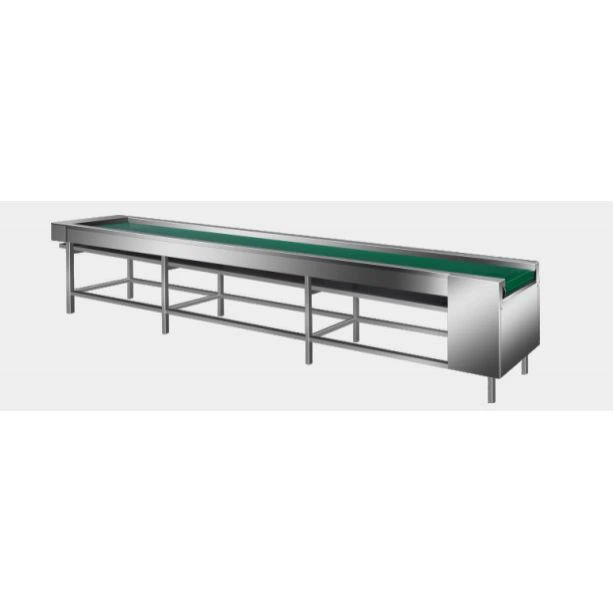
If you're in the food industry, where hygiene and gentle handling of products are important, a smooth surface finish is probably the best option. It's easy to clean and won't damage the food products.
If you're dealing with heavy - duty applications, like moving large or abrasive materials, a textured or rough surface finish might be more suitable. It can provide the necessary traction and grip to keep the materials in place.
As a supplier of PVC Plain Conveyor Belt, I'm here to help you make the right decision. We have a wide range of conveyor belts with different surface finishes to meet your specific needs. Whether you need a belt for a high - speed assembly line, a food processing plant, or a mining operation, we've got you covered.
If you're interested in learning more about our PVC plain conveyor belts or want to discuss your specific requirements, don't hesitate to get in touch. We can provide you with detailed information, samples, and quotes. Let's work together to find the perfect conveyor belt solution for your business.
References
- "Conveyor Belt Technology Handbook" - A comprehensive guide on conveyor belt design and performance.
- Industry reports on conveyor belt applications in different sectors.


