


Hey there! As a supplier of PVC conveyor belts, I've seen my fair share of issues when it comes to belt tension. Getting the tension right is crucial for the smooth operation of your conveyor system. In this blog, I'll walk you through how to adjust the tension of a PVC conveyor belt step by step.
Why is Belt Tension Important?
Before we dive into the adjustment process, let's talk about why proper belt tension matters. If the belt is too loose, it can slip on the pulleys, causing inconsistent movement of the materials being transported. This can lead to product jams, uneven distribution, and even damage to the belt itself over time. On the other hand, if the belt is too tight, it puts excessive stress on the bearings, motors, and other components of the conveyor system. This can result in premature wear and tear, increased energy consumption, and potential breakdowns.
Tools You'll Need
To adjust the tension of a PVC conveyor belt, you'll need a few basic tools:
- A wrench or socket set (the size will depend on the type of fasteners used on your conveyor)
- A tension gauge (optional but very helpful for accurate adjustments)
- A measuring tape
- Safety goggles and gloves
Step 1: Inspect the Belt and Conveyor System
Before making any adjustments, it's important to inspect the belt and the entire conveyor system. Look for any signs of damage, such as cuts, tears, or fraying on the belt. Check the pulleys for alignment and make sure they are clean and free of debris. Inspect the bearings and other moving parts for any signs of wear or damage. If you notice any issues, address them before adjusting the belt tension.
Step 2: Determine the Correct Tension
The ideal tension for a PVC conveyor belt depends on several factors, including the type of belt, the length of the conveyor, the load being carried, and the speed of the conveyor. As a general rule, the belt should have enough tension to prevent slipping but not so much that it causes excessive stress on the system.
One way to determine the correct tension is to use a tension gauge. If you don't have a tension gauge, you can use the "finger test." Simply press down on the middle of the belt between two pulleys. The belt should deflect about 1/2 to 3/4 of an inch. If it deflects too much, the belt is too loose. If it hardly deflects at all, the belt is too tight.
Step 3: Loosen the Belt
Once you've determined the correct tension, it's time to start adjusting the belt. First, you'll need to loosen the belt. Most conveyor systems have tensioning devices, such as take-up screws or idler pulleys, that allow you to adjust the tension. Use your wrench or socket set to loosen the fasteners on the tensioning device.
If your conveyor has a take-up screw, turn the screw counterclockwise to loosen the belt. If it has an idler pulley, move the pulley in the direction that will loosen the belt. Make sure to loosen the belt evenly on both sides to maintain proper alignment.
Step 4: Adjust the Tension
After loosening the belt, you can start adjusting the tension. Slowly tighten the fasteners on the tensioning device. If you're using a take-up screw, turn it clockwise. If you're using an idler pulley, move the pulley in the direction that will tighten the belt.
As you tighten the belt, periodically check the tension using your tension gauge or the finger test. Make small adjustments at a time and check the tension after each adjustment. It's better to make several small adjustments than one large adjustment, as this will help you achieve a more accurate tension.
Step 5: Check the Alignment
Once you've adjusted the tension, it's important to check the alignment of the belt. A misaligned belt can cause uneven wear and premature failure. To check the alignment, run the conveyor for a few minutes and observe the movement of the belt. The belt should run straight and centered on the pulleys.
If the belt is not aligned, you may need to adjust the position of the pulleys. Most conveyor systems have adjustment bolts or slots that allow you to move the pulleys slightly. Use your wrench or socket set to make the necessary adjustments. Make small adjustments at a time and check the alignment after each adjustment.
Step 6: Re-tighten the Fasteners
After you've adjusted the tension and alignment of the belt, re-tighten the fasteners on the tensioning device. Make sure the fasteners are tightened securely but not over-tightened. Over-tightening the fasteners can cause damage to the conveyor system.
Step 7: Test the Conveyor
Once you've completed all the adjustments, it's time to test the conveyor. Run the conveyor at a slow speed for a few minutes and observe the operation. Check for any signs of slipping, vibration, or noise. If everything looks and sounds good, gradually increase the speed of the conveyor to its normal operating speed.
Continue to monitor the conveyor for a few hours to make sure the belt tension remains stable. If you notice any issues, such as slipping or misalignment, stop the conveyor immediately and make further adjustments.
PVC Plain Conveyor Belt
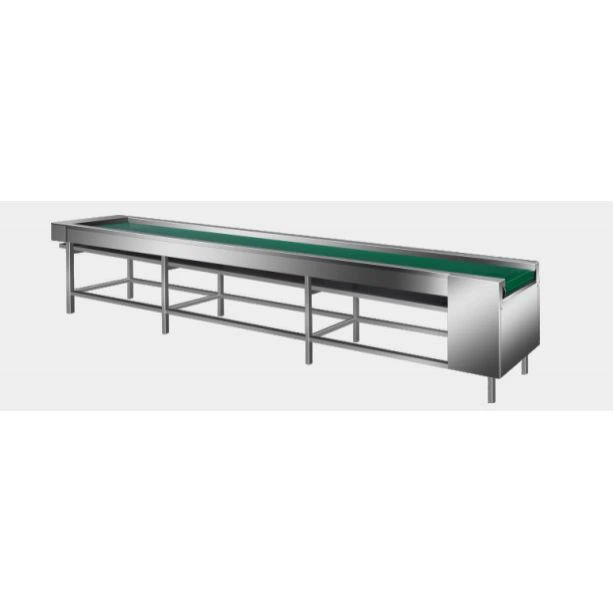
If you're in the market for a new PVC conveyor belt, check out our PVC Plain Conveyor Belt. It's made from high-quality PVC material and is designed for a variety of applications. Whether you need to transport light or heavy loads, our PVC plain conveyor belt is a reliable choice.
Conclusion
Adjusting the tension of a PVC conveyor belt is an important maintenance task that can help ensure the smooth operation of your conveyor system. By following the steps outlined in this blog, you can easily adjust the tension of your belt and keep your conveyor running efficiently.
If you have any questions or need further assistance with your PVC conveyor belt, don't hesitate to contact us. We're here to help you find the right solution for your needs. Whether you're looking to purchase a new belt or need advice on maintenance and adjustment, we're just a message away. Let's get your conveyor system running at its best!
References
- "Conveyor Belt Maintenance Guide" - Industry Standard Publication
- "PVC Conveyor Belt Technical Manual" - Manufacturer's Documentation


