


As a supplier of PVC Plain Conveyor Belts, I understand the importance of energy efficiency in industrial operations. Energy costs are a significant concern for businesses, and improving the energy efficiency of conveyor belts can lead to substantial savings. In this blog, I will share some practical tips on how to enhance the energy efficiency of a PVC Plain Conveyor Belt.
1. Choose the Right Belt Design and Material
The design and material of the PVC Plain Conveyor Belt play a crucial role in its energy efficiency. When selecting a belt, consider the following factors:
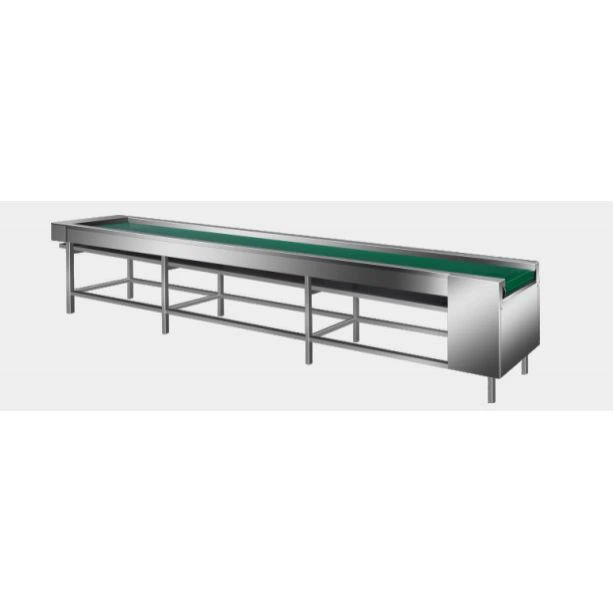
- Belt Thickness: A thinner belt generally requires less energy to move compared to a thicker one. However, the belt must be thick enough to withstand the load and operating conditions. Choose a belt with an appropriate thickness that balances energy efficiency and durability.
- Surface Texture: A smooth surface texture reduces friction between the belt and the rollers, resulting in lower energy consumption. PVC Plain Conveyor Belts with a smooth finish are ideal for applications where energy efficiency is a priority.
- Material Quality: High-quality PVC materials have better mechanical properties and lower internal friction, which can improve energy efficiency. Look for belts made from premium PVC compounds that are resistant to wear, tear, and chemical damage.
By choosing the right belt design and material, you can minimize energy losses and improve the overall efficiency of your conveyor system. For more information on PVC Plain Conveyor Belts, you can visit our website PVC Plain Conveyor Belt.
2. Optimize Belt Tension
Proper belt tension is essential for efficient operation of a conveyor belt. If the belt is too loose, it may slip on the rollers, causing energy losses and premature wear. On the other hand, if the belt is too tight, it can increase the load on the motor and bearings, leading to higher energy consumption and potential damage to the system.
To optimize belt tension, follow these steps:
- Check the Manufacturer's Recommendations: Refer to the belt manufacturer's guidelines for the recommended tension range. This information is usually provided in the product documentation or can be obtained from the manufacturer directly.
- Use a Tensioning Device: Install a tensioning device, such as a screw or spring tensioner, to adjust the belt tension. Make sure the tensioning device is properly installed and adjusted according to the manufacturer's instructions.
- Regularly Inspect and Adjust the Tension: Periodically check the belt tension and make adjustments as needed. This will help ensure that the belt is operating at the optimal tension for maximum energy efficiency.
3. Maintain Proper Roller Alignment
Roller alignment is another critical factor that affects the energy efficiency of a conveyor belt. Misaligned rollers can cause the belt to run off-center, increasing friction and energy consumption. In addition, misaligned rollers can also lead to uneven wear on the belt and premature failure of the system.
To maintain proper roller alignment, follow these steps:
- Check the Roller Alignment Regularly: Inspect the rollers for alignment at least once a month or more frequently if the conveyor system is operating in a harsh environment. Use a straightedge or laser alignment tool to check the alignment of the rollers.
- Adjust the Rollers as Needed: If the rollers are misaligned, adjust them to ensure that they are parallel to each other and perpendicular to the belt. This may involve loosening the mounting bolts and moving the rollers into the correct position.
- Lubricate the Rollers: Proper lubrication of the rollers can reduce friction and improve energy efficiency. Use a high-quality lubricant recommended by the roller manufacturer and apply it according to the manufacturer's instructions.
4. Reduce Belt Speed
Reducing the belt speed can significantly improve the energy efficiency of a conveyor system. In general, the power consumption of a conveyor belt is proportional to the cube of the belt speed. Therefore, even a small reduction in belt speed can result in a significant decrease in energy consumption.
To reduce belt speed, consider the following options:
- Adjust the Motor Speed: If the conveyor system is equipped with a variable frequency drive (VFD), you can adjust the motor speed to reduce the belt speed. This allows you to optimize the belt speed based on the specific requirements of your application.
- Modify the Conveyor Design: In some cases, it may be possible to modify the conveyor design to reduce the belt speed. For example, you can increase the length of the conveyor or use a larger diameter roller to reduce the belt speed without sacrificing throughput.
- Use a Speed Controller: Install a speed controller to regulate the belt speed. This can help ensure that the belt is operating at the optimal speed for maximum energy efficiency.
5. Implement Energy-Efficient Motor Technology
The motor is the primary source of power for a conveyor belt, and choosing an energy-efficient motor can have a significant impact on the overall energy consumption of the system. When selecting a motor for your conveyor system, consider the following factors:
- Motor Efficiency: Look for motors with a high efficiency rating. The efficiency of a motor is expressed as a percentage and indicates how much of the electrical energy input is converted into mechanical energy output. A higher efficiency motor will consume less energy and save you money on your electricity bills.
- Variable Frequency Drive (VFD): A VFD allows you to adjust the motor speed based on the load requirements of the conveyor system. This can help reduce energy consumption by operating the motor at the optimal speed for the specific application.
- Power Factor Correction: Power factor correction can improve the efficiency of the electrical system by reducing the reactive power consumption. This can result in lower electricity bills and improved overall energy efficiency.
6. Regular Maintenance and Inspection
Regular maintenance and inspection are essential for ensuring the optimal performance and energy efficiency of a conveyor belt. By performing routine maintenance tasks, such as cleaning the belt, lubricating the rollers, and checking the tension and alignment, you can prevent problems from developing and extend the lifespan of the system.
In addition, regular inspection can help you identify and address any issues that may be affecting the energy efficiency of the conveyor belt. For example, if you notice excessive wear on the belt or rollers, it may be a sign of misalignment or other problems that need to be addressed.
To implement a comprehensive maintenance and inspection program, follow these steps:
- Develop a Maintenance Schedule: Create a maintenance schedule that outlines the tasks that need to be performed and the frequency at which they should be performed. This will help ensure that all maintenance tasks are completed on time and that the conveyor system is operating at its best.
- Train Your Maintenance Staff: Provide training to your maintenance staff on how to perform the maintenance tasks correctly. This will help ensure that the maintenance is carried out safely and effectively.
- Keep Records of Maintenance and Inspections: Keep records of all maintenance and inspection activities, including the date, time, and details of the tasks performed. This will help you track the performance of the conveyor system over time and identify any trends or issues that need to be addressed.
Conclusion
Improving the energy efficiency of a PVC Plain Conveyor Belt is a multi-faceted approach that requires careful consideration of various factors, including belt design and material, tension, roller alignment, speed, motor technology, and maintenance. By implementing the tips and strategies outlined in this blog, you can reduce energy consumption, lower operating costs, and improve the overall performance of your conveyor system.
If you are interested in learning more about PVC Plain Conveyor Belts or need assistance with improving the energy efficiency of your conveyor system, please contact us. Our team of experts is available to provide you with personalized advice and solutions based on your specific requirements.


