


Operating a PVC conveyor belt in high - temperature environments presents a unique set of challenges. As a supplier of PVC conveyor belts, I've encountered numerous clients who face difficulties in this regard. In this blog, I'll share some key insights and practical tips on how to effectively operate a PVC conveyor belt under high - temperature conditions.
Understanding the Impact of High Temperatures on PVC Conveyor Belts
PVC, or polyvinyl chloride, is a widely used material for conveyor belts due to its affordability, flexibility, and resistance to chemicals. However, high temperatures can have a significant impact on its performance. When exposed to elevated temperatures, PVC can start to soften, lose its shape, and become more prone to wear and tear.
The softening point of PVC typically ranges from 70°C to 80°C (158°F to 176°F). Once the temperature exceeds this range, the belt may start to deform, which can lead to tracking problems, reduced belt life, and even system failures. Additionally, high temperatures can accelerate the aging process of PVC, causing it to become brittle over time and increasing the risk of cracking.
Selecting the Right PVC Conveyor Belt for High - Temperature Environments
Not all PVC conveyor belts are created equal when it comes to high - temperature applications. When choosing a belt for such an environment, several factors need to be considered.
Heat - Resistant PVC Compounds: Some manufacturers offer PVC conveyor belts made from heat - resistant compounds. These belts are formulated to withstand higher temperatures without significant deformation. They often contain additives that enhance their heat resistance, such as stabilizers and plasticizers. For example, a belt with a special heat - resistant PVC compound can withstand temperatures up to 100°C (212°F) or even higher in some cases.
Belt Thickness: Thicker belts generally have better heat resistance than thinner ones. A thicker belt can act as an insulator, reducing the transfer of heat from the conveyed material to the belt's internal structure. However, it's important to balance the thickness with the requirements of the conveyor system, as overly thick belts may not be suitable for all applications.
Reinforcement Layers: Conveyor belts with reinforcement layers, such as polyester or nylon, can improve their strength and heat resistance. These layers help to maintain the belt's shape and integrity under high - temperature conditions. For instance, a belt with a polyester reinforcement layer can better withstand the stress caused by thermal expansion and contraction.
If you're looking for a suitable PVC conveyor belt for high - temperature applications, you can check out our PVC Plain Conveyor Belt, which is designed to meet various industrial needs.
Pre - Operating Preparations
Before starting the conveyor system in a high - temperature environment, several pre - operating preparations are necessary to ensure the smooth operation of the PVC conveyor belt.
Inspection: Conduct a thorough inspection of the belt and the conveyor system. Check for any signs of damage, such as cracks, cuts, or wear. Pay special attention to the joints and splices, as these areas are more vulnerable to heat - induced failures. Replace any damaged components before starting the system.
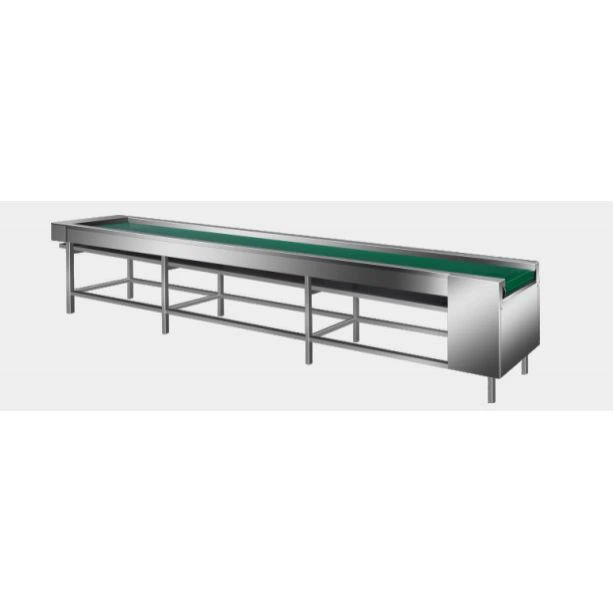
Lubrication: Proper lubrication of the conveyor system is crucial, especially in high - temperature environments. Use high - temperature lubricants that can withstand the elevated temperatures without breaking down. Lubricate all moving parts, such as bearings, rollers, and pulleys, to reduce friction and heat generation.
Thermal Insulation: Consider installing thermal insulation around the conveyor system, especially in areas where the belt comes into contact with hot materials. This can help to reduce the heat transfer to the belt and protect it from excessive temperatures. Insulation materials such as ceramic fiber blankets or refractory bricks can be used for this purpose.
Operating Procedures
During the operation of the PVC conveyor belt in a high - temperature environment, following the correct operating procedures is essential to ensure the safety and efficiency of the system.
Start - up: When starting the conveyor system, start it slowly to allow the belt to gradually adapt to the load and the temperature. Avoid sudden starts, as this can cause excessive stress on the belt and increase the risk of damage.
Monitoring: Continuously monitor the temperature of the belt and the conveyed material. Use temperature sensors to measure the temperature at key points along the conveyor system. If the temperature exceeds the recommended range, take immediate action, such as reducing the speed of the conveyor or adjusting the cooling system.
Cooling: Implement a cooling system to maintain the temperature of the belt within a safe range. This can include air cooling, water cooling, or a combination of both. Air cooling can be achieved by using fans to blow cool air over the belt, while water cooling can be accomplished by spraying water on the belt or using water - cooled rollers.
Cleaning: Regularly clean the belt to remove any debris or contaminants that may accumulate on its surface. This can help to prevent the build - up of heat - generating materials and improve the belt's performance. Use a suitable cleaning agent that is compatible with PVC and can effectively remove dirt and grease.
Maintenance and Troubleshooting
Proper maintenance and timely troubleshooting are essential for the long - term operation of the PVC conveyor belt in high - temperature environments.
Regular Maintenance: Establish a regular maintenance schedule for the conveyor system. This should include tasks such as belt tension adjustment, pulley alignment, and bearing replacement. Regularly inspect the belt for signs of wear and tear, and replace it when necessary.
Troubleshooting: Be prepared to troubleshoot common problems that may occur during the operation of the conveyor belt. For example, if the belt starts to track off - center, check the alignment of the pulleys and adjust them if necessary. If there are signs of excessive wear or damage, identify the root cause, such as improper tension or overloading, and take corrective measures.
Conclusion
Operating a PVC conveyor belt in high - temperature environments requires careful consideration and proper management. By understanding the impact of high temperatures on PVC, selecting the right belt, making pre - operating preparations, following correct operating procedures, and conducting regular maintenance, you can ensure the reliable and efficient operation of your conveyor system.
If you have any questions or need further assistance in choosing or operating a PVC conveyor belt for high - temperature applications, please don't hesitate to contact us. We're here to provide you with professional advice and high - quality products. Our team of experts can help you find the best solution for your specific needs and ensure the success of your industrial operations.
References
- "Conveyor Belt Handbook" by Conveyor Equipment Manufacturers Association (CEMA)
- "Plastics in Conveyor Belt Technology" by John Wiley & Sons
- Industry research reports on PVC conveyor belts and high - temperature applications.


