


Hey there! I'm a supplier of PVC Plain Conveyor Belt, and today I wanna chat about how to recycle these belts. You know, PVC plain conveyor belts are super useful in a bunch of industries, but when they reach the end of their life, it's important to handle them right to keep our planet happy.
Why Recycling PVC Plain Conveyor Belts Matters
First off, let's talk about why recycling these belts is a big deal. PVC, or polyvinyl chloride, is a common plastic used in conveyor belts. But it's not the most eco - friendly material on its own. When PVC belts end up in landfills, they can release harmful chemicals over time. Recycling helps reduce the amount of waste going into landfills and also cuts down on the need to produce new PVC, which requires a lot of energy and resources.
Pre - Recycling Steps
Before you start the actual recycling process, there are a few things you need to do. First, inspect the belt carefully. Check for any signs of damage, like tears, holes, or excessive wear. If there are parts that are still in good condition, you might be able to reuse them for other minor applications.
Next, clean the belt. Remove any dirt, debris, or leftover materials from the surface. This can be done using a simple cleaning solution and a brush. Make sure to dry the belt thoroughly before moving on to the next step.
Recycling Methods
There are a couple of main ways to recycle PVC plain conveyor belts.
Mechanical Recycling
Mechanical recycling is one of the most common methods. In this process, the PVC belt is first shredded into small pieces. These pieces are then washed again to get rid of any remaining impurities. After that, the shredded PVC is melted down at a high temperature.
Once melted, the PVC can be formed into new products. For example, it can be made into new conveyor belts, pipes, or even some types of plastic sheets. The advantage of mechanical recycling is that it's relatively straightforward and can produce high - quality recycled materials.
However, there are some challenges. PVC belts might have other materials mixed in, like fabric reinforcements. These need to be separated before the melting process. Also, repeated melting can degrade the quality of the PVC over time.
Chemical Recycling
Chemical recycling is a more advanced method. In this approach, the PVC belt is broken down into its basic chemical components. This is usually done through a process called pyrolysis, where the belt is heated in the absence of oxygen.
The resulting chemical components can then be used to make new PVC or other types of plastics. Chemical recycling has the potential to produce very high - quality recycled materials, and it can handle more complex mixtures of materials.
But it's also more expensive and requires specialized equipment. There are also some environmental concerns related to the energy consumption and potential emissions during the pyrolysis process.
Finding a Recycling Partner
If you're a business that uses PVC plain conveyor belts and you want to recycle them, finding the right recycling partner is crucial. Look for a recycling company that has experience with PVC materials. They should be able to handle the belts safely and efficiently.
You can ask for references from other businesses in your industry. Check online reviews and see if the recycling company has any certifications related to environmental management. A good recycling partner will work with you to ensure that the entire recycling process is as smooth as possible.
Benefits for Your Business
Recycling your PVC plain conveyor belts isn't just good for the environment; it can also be good for your business. For one, it can help you meet your sustainability goals. More and more customers are looking for businesses that are environmentally responsible, and showing that you recycle your conveyor belts can give you a competitive edge.
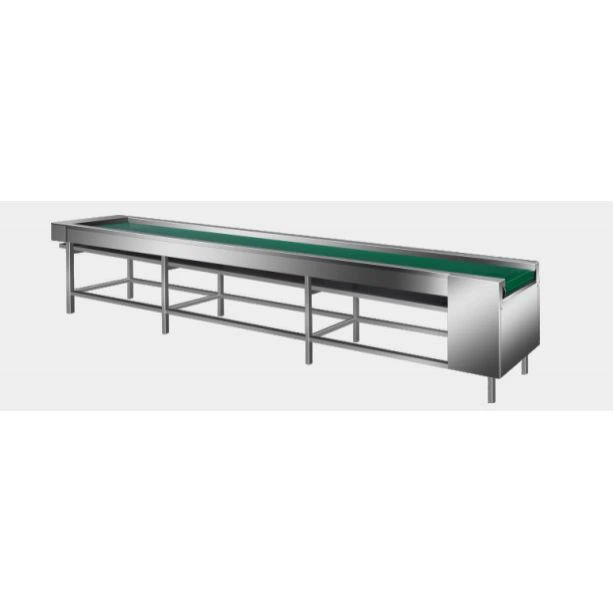
It can also save you money in the long run. Instead of constantly buying new conveyor belts, you can reuse the recycled materials or get a discount on new belts made from recycled PVC.
Challenges in Recycling
Of course, recycling PVC plain conveyor belts isn't without its challenges. One of the biggest issues is the cost. Recycling can be expensive, especially if you choose a more advanced method like chemical recycling.
Another challenge is the lack of awareness. Many businesses don't know how to properly recycle their conveyor belts or where to find a reliable recycling partner. There's also the issue of regulatory compliance. Different regions have different rules and regulations regarding the recycling of PVC materials, and it can be a hassle to keep up with them.
Tips for Effective Recycling
If you're planning to recycle your PVC plain conveyor belts, here are some tips to make the process more effective.
- Plan Ahead: Don't wait until the belts are completely worn out to start thinking about recycling. Have a plan in place so that you can start the recycling process as soon as the belts are no longer needed.
- Educate Your Staff: Make sure your employees know about the importance of recycling and how to handle the conveyor belts properly. This can help ensure that the belts are in good condition when they're ready for recycling.
- Work with Your Supplier: As a PVC plain conveyor belt supplier, I can tell you that we're often willing to help with recycling. We might have partnerships with recycling companies or be able to provide you with more information about the recycling process.
Conclusion
Recycling PVC plain conveyor belts is an important step towards a more sustainable future. It helps reduce waste, conserve resources, and protect the environment. While there are some challenges, with the right approach and the help of a good recycling partner, it can be a rewarding process for both the environment and your business.
If you're interested in purchasing PVC plain conveyor belts or have any questions about recycling them, don't hesitate to reach out. We're here to help you make the most of these products while also doing our part for the planet.
References
- Smith, J. (2020). Recycling of PVC Materials. Journal of Environmental Science and Technology.
- Green, A. (2021). The Future of Conveyor Belt Recycling. Industrial Recycling Magazine.


