


As a supplier of PVC conveyor belts, I've witnessed firsthand the growing demand for energy-efficient solutions in the industrial sector. With rising energy costs and an increasing focus on sustainability, reducing the power consumption of PVC conveyor belts has become a top priority for many businesses. In this blog post, I'll share some practical tips and strategies that can help you achieve significant energy savings while maintaining the optimal performance of your conveyor belt system.
Understanding the Factors Affecting Power Consumption
Before delving into the solutions, it's essential to understand the key factors that contribute to the power consumption of a PVC conveyor belt. These factors include:
- Belt Tension: Excessive belt tension can increase the friction between the belt and the pulleys, leading to higher power consumption. On the other hand, insufficient tension can cause the belt to slip, resulting in reduced efficiency and increased wear.
- Belt Speed: Higher belt speeds generally require more power to operate. Therefore, it's important to select the appropriate belt speed based on your specific application requirements.
- Load Capacity: The weight and size of the materials being conveyed can significantly impact the power consumption of the conveyor belt. Heavier loads require more power to move, so it's crucial to ensure that your conveyor belt is properly sized for the intended load.
- Roller Resistance: The resistance of the rollers can also affect the power consumption of the conveyor belt. Worn or damaged rollers can increase friction, leading to higher energy consumption.
- Drive System Efficiency: The efficiency of the drive system, including the motor, gearbox, and couplings, can have a significant impact on the overall power consumption of the conveyor belt. A well-designed and maintained drive system can help reduce energy waste.
Tips for Reducing Power Consumption
Now that we've identified the key factors affecting power consumption, let's explore some practical tips and strategies for reducing the energy consumption of your PVC conveyor belt:
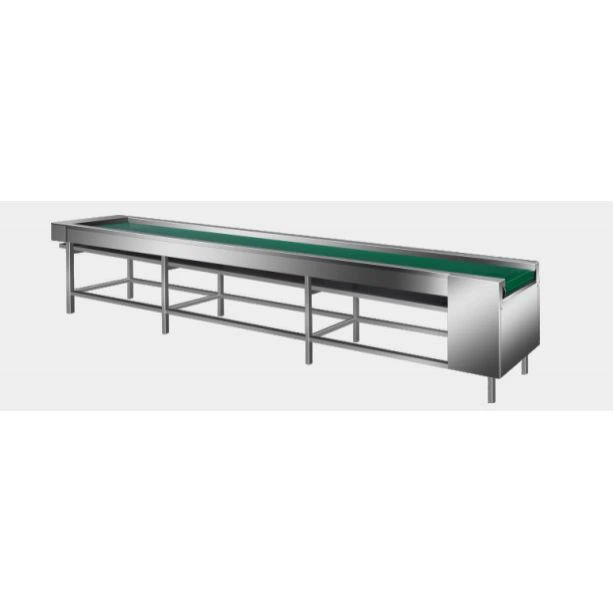
- Optimize Belt Tension: Regularly check and adjust the belt tension to ensure that it's within the recommended range. This can help reduce friction and minimize power consumption. You can use a belt tension gauge to measure the tension accurately and make the necessary adjustments.
- Choose the Right Belt Speed: Select the appropriate belt speed based on your specific application requirements. Avoid running the conveyor belt at a higher speed than necessary, as this can increase power consumption. Consider factors such as the type of material being conveyed, the distance it needs to travel, and the throughput requirements.
- Properly Size the Conveyor Belt: Ensure that your conveyor belt is properly sized for the intended load. An oversized belt can result in unnecessary power consumption, while an undersized belt may not be able to handle the load effectively, leading to increased wear and tear. Consult with a conveyor belt expert to determine the appropriate belt size for your application.
- Maintain the Rollers: Regularly inspect and maintain the rollers to ensure that they're in good working condition. Replace any worn or damaged rollers promptly to reduce friction and improve the efficiency of the conveyor belt. You can also consider using low-friction rollers or lubricating the rollers to further reduce resistance.
- Upgrade the Drive System: Consider upgrading the drive system of your conveyor belt to a more energy-efficient model. Newer motors and gearboxes are designed to operate more efficiently, reducing energy waste and lowering power consumption. You can also install a variable frequency drive (VFD) to control the speed of the motor and adjust it based on the actual load requirements of the conveyor belt.
- Implement Energy Management Strategies: Develop and implement energy management strategies to optimize the operation of your conveyor belt system. This can include scheduling the conveyor belt to run only when necessary, using sensors to detect the presence of materials and automatically start or stop the conveyor belt, and implementing a preventive maintenance program to ensure that the system is operating at peak efficiency.
The Importance of Quality PVC Conveyor Belts
In addition to implementing the above tips and strategies, choosing a high-quality PVC conveyor belt is crucial for reducing power consumption and ensuring the long-term reliability of your conveyor system. At our company, we offer a wide range of PVC Plain Conveyor Belt that are designed to meet the diverse needs of our customers. Our PVC conveyor belts are made from high-quality materials and are engineered to provide excellent durability, flexibility, and resistance to wear and tear. They also feature a low coefficient of friction, which helps reduce power consumption and improve the efficiency of the conveyor belt system.
Conclusion
Reducing the power consumption of a PVC conveyor belt is not only beneficial for the environment but also for your bottom line. By implementing the tips and strategies outlined in this blog post and choosing a high-quality PVC conveyor belt, you can achieve significant energy savings while maintaining the optimal performance of your conveyor system. If you're interested in learning more about our PVC conveyor belts or need assistance with reducing the power consumption of your conveyor system, please don't hesitate to contact us. Our team of experts is always ready to help you find the best solutions for your specific needs.
References
- [1] Conveyor Belt Handbook, published by the Conveyor Equipment Manufacturers Association (CEMA).
- [2] Energy Efficiency in Conveyor Systems, a white paper by a leading industry research firm.
- [3] Best Practices for Reducing Power Consumption in Industrial Conveyors, a report by an energy management consulting company.


