


Hey there! As a supplier of PVC conveyor belts, I often get asked about the anti - slip performance of these belts. You know, a conveyor belt's anti - slip ability is super important in many industries. It can make or break the efficiency and safety of your operations. So, let's dig into what exactly the anti - slip performance of a PVC conveyor belt is all about.
What is Anti - Slip Performance?
First things first, anti - slip performance refers to a conveyor belt's ability to prevent objects from sliding on its surface. This is crucial because if the items being transported start to slip, it can lead to all sorts of problems. For example, in a manufacturing plant, products might fall off the belt, causing damage and production delays. In a food processing facility, a slipping belt could contaminate the food, which is a huge no - no.
The anti - slip performance of a PVC conveyor belt depends on several factors. One of the main ones is the surface texture of the belt. A belt with a rough or patterned surface will generally have better anti - slip properties compared to a smooth one. This is because the rough surface creates more friction between the belt and the objects it's carrying.
Surface Textures and Their Impact
There are different types of surface textures available for PVC conveyor belts. One common type is the chevron pattern. The chevron pattern looks like a series of inverted Vs on the belt's surface. This pattern is great for preventing objects from slipping, especially when the belt is inclined. The angled ridges of the chevron pattern help to grip the items and keep them in place.
Another popular texture is the diamond pattern. The diamond pattern consists of small diamond - shaped bumps on the belt. This pattern provides good all - around anti - slip performance, whether the belt is moving horizontally or at an angle. It's also quite durable, which means it can withstand a lot of wear and tear over time.
If you're looking for a more basic option, a PVC Plain Conveyor Belt might be a good choice. You can find more info about it here. While it doesn't have a fancy pattern like the chevron or diamond, it still has some anti - slip properties, especially if it's made with a slightly rough finish.
Material Composition and Anti - Slip
The material composition of the PVC conveyor belt also plays a role in its anti - slip performance. PVC itself is a relatively smooth material, but manufacturers can add certain additives to improve its friction. For example, some belts have a rubber - like compound added to the PVC. This rubbery material increases the belt's grip and makes it less likely for objects to slide.
The thickness of the belt can also affect its anti - slip ability. A thicker belt might be more stable and less likely to flex, which can help to keep objects in place. However, a very thick belt might also be more expensive and less flexible, so it's a bit of a trade - off.
Testing Anti - Slip Performance
How do we know if a PVC conveyor belt has good anti - slip performance? Well, there are several tests that can be done. One common test is the inclined plane test. In this test, the belt is placed on an inclined surface, and an object is placed on the belt. The angle of the incline is gradually increased until the object starts to slide. The steeper the angle at which the object slides, the better the anti - slip performance of the belt.
Another test is the coefficient of friction test. This test measures the amount of force required to move an object across the belt's surface. A higher coefficient of friction means that the belt has better anti - slip properties.
Importance in Different Industries
The anti - slip performance of a PVC conveyor belt is crucial in many industries. In the mining industry, for example, conveyor belts are used to transport heavy rocks and minerals. If the belt doesn't have good anti - slip properties, the rocks could slide off and cause accidents. A belt with a high - quality anti - slip surface can help to ensure the safe and efficient transportation of these materials.
In the food industry, conveyor belts are used to move food products from one part of the production line to another. Anti - slip belts are essential to prevent food from falling and getting contaminated. They also need to be easy to clean to meet food safety standards.
The logistics industry also relies heavily on conveyor belts with good anti - slip performance. Parcels and packages need to be transported smoothly and without slipping. A belt that can keep the items in place helps to speed up the sorting and shipping process.
Maintenance for Optimal Anti - Slip Performance
To keep your PVC conveyor belt's anti - slip performance at its best, regular maintenance is key. You should clean the belt regularly to remove any dirt, debris, or grease that could reduce its friction. A simple cleaning solution and a soft brush can usually do the trick.
Inspect the belt for any signs of wear and tear. If the surface texture is starting to wear down, it might be time to replace the belt. You should also check the tension of the belt. A loose belt can cause slipping, so make sure it's properly tightened.
Choosing the Right Belt
When choosing a PVC conveyor belt for your business, it's important to consider your specific needs. Think about the type of objects you'll be transporting, the angle of the conveyor, and the environment in which the belt will be used. If you're transporting heavy or slippery items, a belt with a more aggressive anti - slip texture like the chevron pattern might be the best choice.
If you're on a budget or don't need extreme anti - slip performance, a PVC Plain Conveyor Belt could work well. Just make sure to check its anti - slip properties and see if it meets your requirements.
Conclusion
So, there you have it! The anti - slip performance of a PVC conveyor belt is a complex but important topic. It depends on factors like surface texture, material composition, and proper maintenance. By understanding these factors, you can choose the right belt for your business and ensure the safe and efficient operation of your conveyor system.
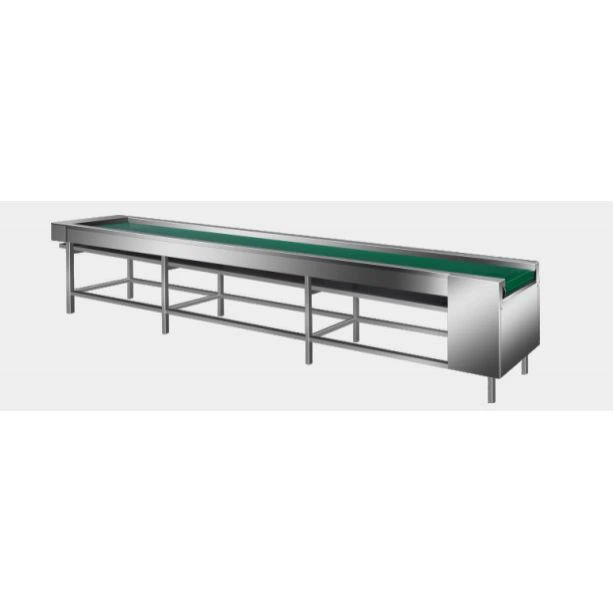
If you're interested in learning more about our PVC conveyor belts or have any questions about anti - slip performance, don't hesitate to reach out. We're here to help you find the perfect belt for your needs. Let's have a chat and see how we can improve your conveyor operations.
References
- "Conveyor Belt Handbook" - A comprehensive guide on conveyor belt technology and performance.
- Industry research reports on the use of PVC conveyor belts in different sectors.


