


In the dynamic landscape of the foodservice industry, the efficiency and effectiveness of equipment can significantly impact the overall operations of a business. Among the essential tools in this arena, commercial cup washers play a pivotal role in maintaining a steady supply of clean and sanitized cups for customers. As a reputable [Your Position] at a leading [Commercial Cup Washer] supplier, I've witnessed firsthand the diverse needs of our clients and the importance of choosing the right type of cup washer for their establishments. In this blog post, I'll delve into the key differences between conveyor - type and batch - type commercial cup washers to help you make an informed decision for your business.
Conveyor - Type Commercial Cup Washers
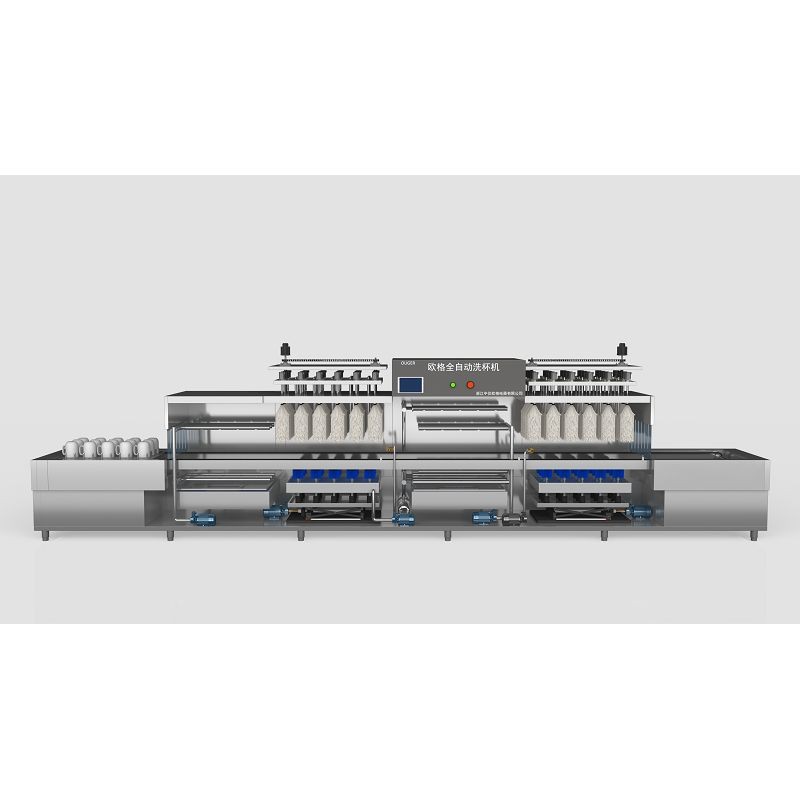
Conveyor - type commercial cup washers are designed for high - volume operations where a continuous stream of cups needs to be cleaned. These machines feature a conveyor belt system that moves the cups through different stages of the washing process, including pre - wash, main wash, rinse, and sanitization.
One of the primary advantages of conveyor - type cup washers is their speed and efficiency. They can handle a large number of cups per hour, making them ideal for busy restaurants, cafes, bars, and catering services. For example, in a large - scale event venue where hundreds of cups are used during a single event, a conveyor - type washer can quickly clean and sanitize them all, ensuring a seamless service flow.
The continuous operation of conveyor - type washers also means that there is no need to wait for a full load to start the cleaning process. Cups can be loaded onto the conveyor at any time, allowing for a more flexible and responsive cleaning solution. This is particularly beneficial in environments where the demand for clean cups can fluctuate throughout the day.
In terms of cleaning quality, conveyor - type cup washers are equipped with powerful spray arms and high - pressure water jets that can effectively remove stubborn stains, dirt, and residue from the cups. The multi - stage washing process ensures that the cups are thoroughly cleaned and sanitized, meeting the strict hygiene standards required in the foodservice industry.
However, conveyor - type cup washers do have some drawbacks. They tend to be more expensive to purchase and install compared to batch - type washers. The initial investment includes not only the cost of the machine itself but also the installation and any necessary plumbing and electrical work. Additionally, these machines require more space due to their larger size and the conveyor belt system. Maintenance can also be more complex, as there are more moving parts that need to be regularly inspected and serviced.
Batch - Type Commercial Cup Washers
Batch - type commercial cup washers, on the other hand, are designed to clean a specific number of cups in a single cycle. These machines typically have a chamber where the cups are loaded, and the washing process occurs within this enclosed space.
One of the main advantages of batch - type cup washers is their affordability. They are generally less expensive to purchase and install, making them a popular choice for small - to - medium - sized businesses with a lower budget. For instance, a small coffee shop or a neighborhood diner may find a batch - type washer to be a cost - effective solution for their cup - cleaning needs.
Batch - type washers also require less space compared to conveyor - type washers. They are more compact and can be easily installed in areas with limited floor space. This makes them suitable for businesses that operate in smaller premises or have a tight layout.
In terms of operation, batch - type cup washers are relatively simple to use. The operator only needs to load the cups into the chamber, select the appropriate washing program, and start the cycle. Once the cycle is complete, the clean cups can be unloaded. This simplicity of operation means that less training is required for staff, reducing the learning curve and potential errors.
However, batch - type cup washers have limitations when it comes to high - volume operations. The cleaning process is slower compared to conveyor - type washers, as each batch needs to be completed before a new one can start. This can be a bottleneck in busy establishments where a large number of cups need to be cleaned quickly. Additionally, if the demand for clean cups suddenly increases, it may take longer to meet that demand with a batch - type washer.
Key Differences in Design and Functionality
The design differences between conveyor - type and batch - type cup washers directly impact their functionality. Conveyor - type washers are built for continuous, high - speed operation, with a focus on throughput. The conveyor belt system allows for a seamless flow of cups through the washing process, maximizing efficiency. In contrast, batch - type washers are designed for intermittent use, with a focus on simplicity and cost - effectiveness.
The cleaning mechanisms also differ between the two types of washers. Conveyor - type washers use a combination of high - pressure water jets and multiple spray arms to clean the cups as they move along the conveyor. This ensures a thorough and consistent cleaning of each cup. Batch - type washers, on the other hand, rely on a fixed set of spray nozzles within the chamber to clean the cups. While they can still provide effective cleaning, the coverage may not be as uniform as in conveyor - type washers.
Another difference lies in the water and energy consumption. Conveyor - type cup washers generally consume more water and energy due to their continuous operation and larger size. However, some modern conveyor - type models are designed with energy - saving features to reduce their environmental impact and operating costs. Batch - type washers, on the other hand, tend to be more water - and energy - efficient as they only use the necessary amount of resources for each cycle.
Choosing the Right Type of Commercial Cup Washer for Your Business
When deciding between a conveyor - type and a batch - type commercial cup washer, several factors need to be considered.
Firstly, assess the volume of cups that need to be cleaned on a daily basis. If your business experiences a high and continuous demand for clean cups, such as in a large restaurant or a busy bar, a conveyor - type washer may be the better choice. However, if your cup - cleaning needs are relatively low or sporadic, a batch - type washer may be sufficient.
Secondly, consider your budget. If you have a limited budget, a batch - type washer may be more suitable as it is more affordable to purchase and operate. However, if you can afford the initial investment and are looking for long - term efficiency and productivity, a conveyor - type washer may offer better value in the long run.
Thirdly, evaluate the available space in your establishment. If you have limited floor space, a batch - type washer's compact design may be more practical. Conversely, if you have enough space and require high - volume cleaning, a conveyor - type washer can be accommodated.
Finally, think about the level of complexity and training required for your staff. If you have a small team or limited time for training, a batch - type washer's simplicity of operation may be more appealing.
Conclusion
In conclusion, both conveyor - type and batch - type commercial cup washers have their own unique advantages and disadvantages. As a [Commercial Cup Washer] supplier, we understand that every business has different needs and requirements. Whether you choose a conveyor - type or a batch - type washer, it's important to select a machine that aligns with your business goals, budget, and operational constraints.
If you're still unsure which type of commercial cup washer is right for your business, or if you have any questions about our products, we encourage you to [Contact Action]. Our team of experts is always ready to assist you in making the best decision for your establishment.

To learn more about our range of [Commercial Cup Washer], visit our website at Commercial Cup Washer. We look forward to the opportunity to work with you and help you find the perfect cup - cleaning solution for your business.
References
- [Author, A. B. (Year). Title of the book. Publisher.]
- [Author, C. D. (Year). Title of the article. Journal Name, Volume(Issue), Page numbers.]
- [Industry Report Name. (Year). Publisher.]


