


What is the environmental impact of using a PVC Plain Conveyor Belt?
As a supplier of PVC Plain Conveyor Belts, I've been closely involved in understanding the various aspects of these products, including their environmental implications. PVC, or polyvinyl chloride, is a widely used material in conveyor belts due to its durability, flexibility, and cost - effectiveness. However, it's essential to delve into the environmental impact of using PVC plain conveyor belts.
Production Phase
The production of PVC plain conveyor belts starts with the extraction of raw materials. PVC is derived from vinyl chloride monomer (VCM), which is produced from fossil fuels, mainly ethylene and chlorine. The extraction and processing of these fossil fuels have significant environmental consequences. Oil and gas extraction can lead to habitat destruction, soil erosion, and water pollution. Drilling operations can release harmful chemicals into the environment, affecting local ecosystems and wildlife.
The manufacturing process of PVC also involves several chemical reactions that require large amounts of energy. High - temperature processes are used to polymerize VCM into PVC resin, and this energy is often sourced from non - renewable resources such as coal, oil, or natural gas. The combustion of these fossil fuels releases greenhouse gases, primarily carbon dioxide, into the atmosphere, contributing to global warming and climate change.
Moreover, the production of PVC can result in the release of various toxic chemicals. During the manufacturing process, dioxins, which are highly toxic and persistent organic pollutants, can be formed as by - products. Dioxins can accumulate in the environment and in the food chain, posing serious health risks to humans and wildlife. They are known to cause cancer, reproductive and developmental problems, and immune system disorders.
Use Phase
During the use of PVC plain conveyor belts, there are relatively fewer direct environmental impacts compared to the production phase. However, some factors still need to be considered. PVC conveyor belts are often used in industrial settings, where they may come into contact with various substances. If these substances are hazardous, there is a risk of contamination if the conveyor belt is damaged or worn.
For example, in the food industry, if a PVC conveyor belt releases small particles or chemicals into the food, it can pose a health risk to consumers. In addition, the friction generated during the operation of the conveyor belt can cause wear and tear, resulting in the generation of dust particles. These particles may contain PVC and other additives, which can be inhaled by workers and potentially cause respiratory problems.
Another aspect to consider is the energy consumption of the conveyor system. The motors that drive the conveyor belts require electricity, and if this electricity is generated from non - renewable sources, it contributes to the overall carbon footprint of the operation. However, modern conveyor systems are becoming more energy - efficient, with the use of advanced motor technologies and control systems.
End - of - Life Phase
The end - of - life disposal of PVC plain conveyor belts is a major environmental concern. PVC is not easily biodegradable, which means that it can persist in the environment for a long time. When PVC conveyor belts are sent to landfills, they take up valuable space and do not break down naturally. Over time, they may release plasticizers and other additives into the soil and groundwater, potentially contaminating these resources.
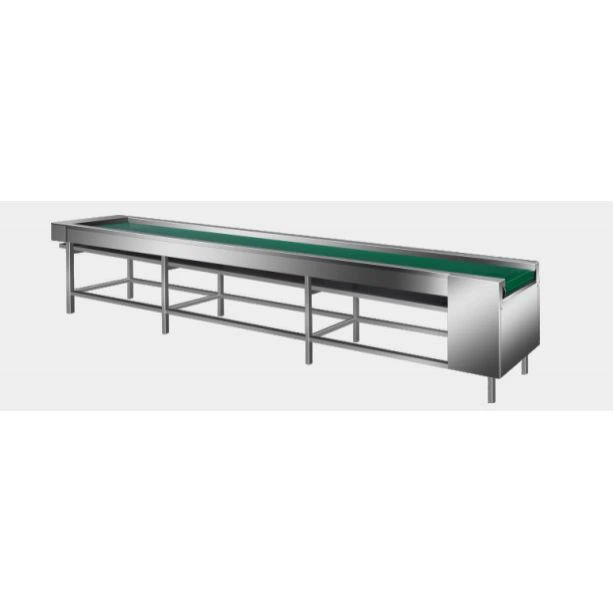
Incineration is another common method of disposing of PVC conveyor belts. However, burning PVC releases a range of harmful chemicals, including hydrogen chloride gas, dioxins, and heavy metals. Hydrogen chloride gas can form hydrochloric acid when it comes into contact with water, which can cause acid rain and damage to the environment. Dioxins and heavy metals released during incineration can be carried long distances by the wind and deposited in different areas, posing a threat to human health and the environment.
Recycling PVC conveyor belts is a more sustainable option, but it also faces challenges. PVC recycling requires specialized facilities and processes due to the complex nature of the material. The presence of additives and contaminants in the PVC can make the recycling process more difficult and costly. Additionally, the market for recycled PVC products is still relatively limited, which may discourage recycling efforts.
Mitigation Strategies
As a supplier of PVC plain conveyor belts, we are committed to minimizing the environmental impact of our products. One of the strategies we are implementing is to improve the production process. We are investing in research and development to find more sustainable raw materials and production methods. For example, we are exploring the use of bio - based PVC alternatives, which are derived from renewable resources such as plants. These bio - based materials have the potential to reduce the dependence on fossil fuels and lower the carbon footprint of the production process.
In terms of the use phase, we are promoting the use of energy - efficient conveyor systems. We offer conveyor belts with low - friction surfaces, which can reduce the energy consumption of the motor. In addition, we provide training and support to our customers on how to operate and maintain their conveyor systems in an energy - efficient manner.
For the end - of - life phase, we are working on developing better recycling solutions. We are collaborating with recycling companies to improve the recycling process for PVC conveyor belts. We also encourage our customers to return their used conveyor belts to us for proper recycling or disposal. By doing so, we can ensure that the materials are managed in an environmentally responsible way.
Conclusion
In conclusion, the environmental impact of using a PVC plain conveyor belt is complex and multifaceted. The production phase has significant environmental consequences due to the extraction of raw materials, energy consumption, and the release of toxic chemicals. The use phase has relatively fewer direct impacts but still requires attention to issues such as contamination and energy consumption. The end - of - life disposal of PVC conveyor belts is a major concern, as PVC is non - biodegradable and can release harmful chemicals during incineration.
However, there are also many opportunities to mitigate these environmental impacts. Through research and development, innovation, and collaboration, we can find more sustainable solutions for the production, use, and disposal of PVC plain conveyor belts. As a supplier, we are committed to playing our part in reducing the environmental footprint of our products.
If you are interested in learning more about our PVC plain conveyor belts or have any questions regarding their environmental impact, please feel free to contact us for a consultation. We look forward to discussing how we can meet your conveyor belt needs while also considering environmental sustainability.
References
- “The Environmental Impact of PVC.” Greenpeace International.
- “Polyvinyl Chloride (PVC) Production and Environmental Issues.” Journal of Environmental Science and Health.
- “Recycling of PVC: A Review.” Polymer Degradation and Stability.


