


Hey there! As a supplier of PVC conveyor belts, I often get asked about the maximum load capacity of these belts. It's a crucial question, especially for businesses that rely on conveyor systems to move heavy or bulky items efficiently. In this blog post, I'll break down the factors that determine the maximum load capacity of a PVC conveyor belt and give you some tips on choosing the right belt for your needs.
First off, let's understand what a PVC conveyor belt is. PVC, or polyvinyl chloride, is a synthetic plastic polymer that's widely used in conveyor belt manufacturing due to its durability, flexibility, and resistance to chemicals and abrasion. PVC Plain Conveyor Belt is one of the most common types, known for its smooth surface and versatility in various industries, from food processing to packaging.
Now, the maximum load capacity of a PVC conveyor belt isn't a one - size - fits - all number. It depends on several key factors:
Belt Thickness
Thicker belts generally have a higher load - carrying capacity. A thicker PVC layer can withstand more pressure without deforming or breaking. For example, a belt with a thickness of 3mm might be suitable for light - duty applications, like moving small, lightweight products such as electronics components. On the other hand, a 6mm or even 8mm thick belt can handle heavier loads, like large boxes or industrial parts.
Belt Width
The width of the belt also plays a significant role. A wider belt distributes the load over a larger area, reducing the stress on any single point. If you're moving wide or long items, a wider belt is essential. For instance, if you're transporting large sheets of cardboard in a packaging plant, a 1000mm wide belt will be more capable of handling the load compared to a 500mm wide belt.
Tensile Strength
Tensile strength refers to the maximum amount of pulling force a belt can withstand before breaking. PVC conveyor belts come with different tensile strength ratings, which are usually measured in N/mm (newtons per millimeter). Higher tensile strength means the belt can handle greater loads. When choosing a belt, you need to consider the weight of the items being transported and the tension in the conveyor system.
Roller Spacing
The distance between the rollers that support the conveyor belt affects its load capacity. Closer roller spacing provides more support to the belt, allowing it to carry heavier loads. In a system where heavy items are being moved, you might want to reduce the roller spacing to prevent the belt from sagging under the weight.
Operating Conditions
The environment in which the conveyor belt operates can impact its load capacity. For example, if the belt is used in a high - temperature environment, the PVC material may become softer and less able to support heavy loads. Similarly, if the belt is exposed to chemicals or abrasive substances, it can wear out faster, reducing its load - carrying ability over time.
To calculate the maximum load capacity of a PVC conveyor belt, you need to take all these factors into account. There's no simple formula that can give you an exact number, but most conveyor belt manufacturers provide load capacity charts based on different belt specifications.
Let's say you're in the market for a PVC conveyor belt. Here are some steps to help you choose the right one with the appropriate load capacity:
- Determine the Load Requirements: First, figure out the weight, size, and shape of the items you'll be transporting. Consider both the normal load and any potential peak loads.
- Assess the Operating Conditions: Think about the temperature, humidity, and any chemicals or abrasives in the environment. This will help you choose a belt with the right properties.
- Consult with the Manufacturer: Reach out to a reputable PVC conveyor belt supplier, like us. We can provide you with detailed information about the load capacity of different belts and help you select the best one for your application.
- Consider Future Expansion: If you plan to increase your production or change your product line in the future, choose a belt with some extra load - carrying capacity to accommodate these changes.
In conclusion, the maximum load capacity of a PVC conveyor belt is a complex concept that depends on multiple factors. By understanding these factors and working with a knowledgeable supplier, you can ensure that you choose a belt that meets your current and future needs.
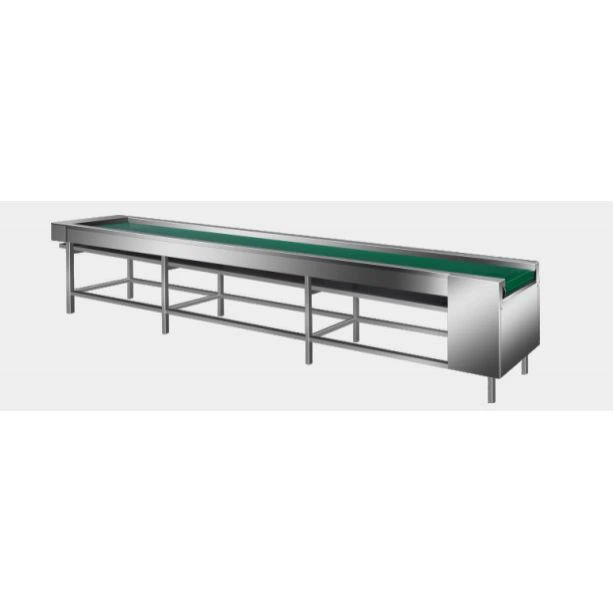
If you're interested in purchasing a PVC conveyor belt or have any questions about load capacity, don't hesitate to get in touch. We're here to help you find the perfect solution for your conveyor system. Whether you need a PVC Plain Conveyor Belt or a custom - designed belt, we've got you covered.
References
- Conveyor Belt Handbook, Various Industry Publications
- PVC Conveyor Belt Manufacturer's Technical Documentation


