


As a supplier of PVC Plain Conveyor Belt, I often get asked about the power consumption of the drive systems for these belts. Understanding the power consumption of a PVC plain conveyor belt drive system is crucial for businesses aiming to optimize their operations, reduce costs, and enhance energy efficiency. In this blog post, I will delve into the factors that influence power consumption, how to calculate it, and strategies to minimize it.
Factors Influencing Power Consumption
Belt Characteristics
The design and properties of the PVC plain conveyor belt itself play a significant role in power consumption. The width, length, and thickness of the belt all affect the amount of power required to move it. A wider and longer belt will generally require more power to operate because it has more surface area and mass to move. Thicker belts also add to the overall weight, increasing the load on the drive system.
The coefficient of friction between the belt and the rollers or pulleys is another important factor. A higher coefficient of friction means more force is needed to move the belt, which in turn increases power consumption. PVC belts are designed to have a certain level of friction to ensure proper traction, but excessive friction can lead to unnecessary energy waste.
Load on the Belt
The amount and type of material being transported on the belt are major determinants of power consumption. Heavier loads require more power to move, and unevenly distributed loads can cause additional stress on the drive system. For example, if a conveyor belt is carrying large, dense objects, the motor will need to work harder to maintain a constant speed compared to when it is transporting lighter items.
The speed at which the belt operates also impacts power consumption. Higher speeds generally require more power, especially when accelerating or decelerating the belt. However, in some cases, operating at a slightly higher speed can increase throughput and overall efficiency, offsetting the additional power consumption.
Drive System Components
The efficiency of the drive system components, such as the motor, gearbox, and pulleys, has a direct impact on power consumption. An inefficient motor will consume more electricity to produce the same amount of power as a more efficient one. Similarly, a worn-out gearbox or pulley can cause increased friction and energy losses.
The type of drive system used also matters. Direct drive systems, which connect the motor directly to the conveyor belt, are generally more efficient than systems with multiple transmission components. However, they may not be suitable for all applications, especially those requiring high torque or variable speed control.
Calculating Power Consumption
Calculating the power consumption of a PVC plain conveyor belt drive system involves several steps. First, you need to determine the total resistance to motion, which includes the frictional resistance between the belt and the rollers, the resistance due to the load on the belt, and any other external forces acting on the system.
The frictional resistance can be calculated using the formula:
[F_f = \mu \times N]
where (F_f) is the frictional force, (\mu) is the coefficient of friction, and (N) is the normal force acting on the belt.
The resistance due to the load on the belt can be calculated based on the weight of the material being transported and the acceleration or deceleration of the belt.
Once you have determined the total resistance to motion, you can calculate the power required to overcome this resistance using the formula:
[P = F \times v]
where (P) is the power, (F) is the total force required to move the belt, and (v) is the speed of the belt.
It's important to note that these calculations are simplified and may not take into account all the factors that can affect power consumption in a real-world scenario. In practice, it's often necessary to use more complex models or consult with an engineer to accurately estimate power consumption.
Strategies to Minimize Power Consumption
Optimize Belt Design
One of the most effective ways to reduce power consumption is to optimize the design of the PVC plain conveyor belt. This can include using a narrower or thinner belt if possible, as long as it can still handle the required load. Additionally, choosing a belt with a lower coefficient of friction can reduce the frictional resistance and energy losses.
Regular maintenance of the belt is also essential. Keeping the belt clean and properly tensioned can prevent excessive wear and tear, which can increase friction and power consumption.
Manage the Load
Proper load management can significantly reduce power consumption. This includes evenly distributing the load on the belt to minimize stress on the drive system. Using sensors and controls to monitor the load and adjust the belt speed accordingly can also help optimize energy usage.
For example, if the conveyor belt is not fully loaded, reducing the speed can save energy without sacrificing throughput. Conversely, if the load increases, the system can automatically adjust the speed to maintain efficient operation.
Upgrade Drive System Components
Upgrading to more efficient drive system components can have a substantial impact on power consumption. Investing in a high-efficiency motor can reduce electricity consumption by up to 30% compared to a standard motor. Similarly, using a well-designed gearbox and pulleys can minimize energy losses due to friction.
Regular maintenance of the drive system components is also crucial. Lubricating the moving parts, checking for proper alignment, and replacing worn-out components can ensure optimal performance and reduce power consumption.
Conclusion
Understanding the power consumption of a PVC plain conveyor belt drive system is essential for businesses looking to improve their energy efficiency and reduce costs. By considering the factors that influence power consumption, accurately calculating it, and implementing strategies to minimize it, businesses can optimize their conveyor belt operations and achieve significant savings.
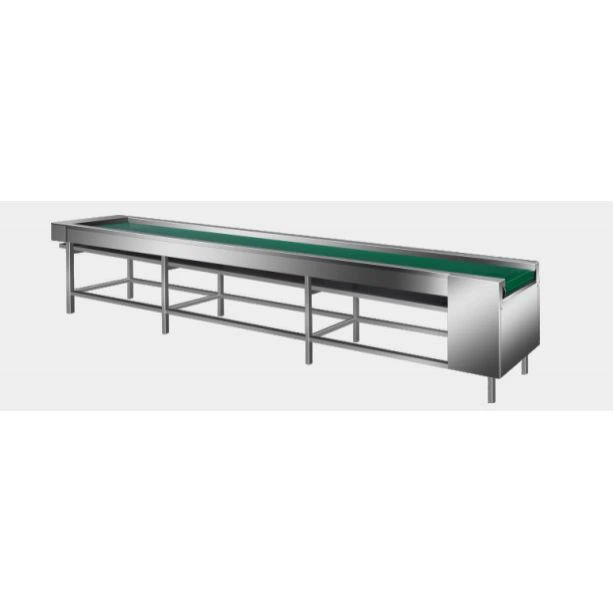
If you are interested in learning more about our PVC Plain Conveyor Belt products or have any questions about power consumption and energy efficiency, please feel free to contact us. We are committed to providing high-quality conveyor belts and expert advice to help you meet your operational needs.
References
- CEMA (Conveyor Equipment Manufacturers Association). Conveyor Equipment Handbook.
- ASME (American Society of Mechanical Engineers). Standards for Conveyor Design and Operation.
- Various industry research papers on conveyor belt energy efficiency.


