


Hey there! As a supplier of PVC conveyor belts, I often get asked about how to predict the service life of these belts. It's a crucial question because knowing the lifespan helps businesses plan maintenance, budget for replacements, and keep their operations running smoothly. So, let's dive into the methods for predicting the service life of a PVC conveyor belt.
Understanding the Basics of PVC Conveyor Belts
Before we jump into the prediction methods, let's quickly go over what PVC conveyor belts are. PVC, or polyvinyl chloride, is a synthetic plastic polymer. PVC conveyor belts are made by coating a fabric carcass with PVC. They're known for being lightweight, flexible, and resistant to chemicals, abrasion, and moisture. These belts are widely used in industries like food processing, packaging, and logistics.
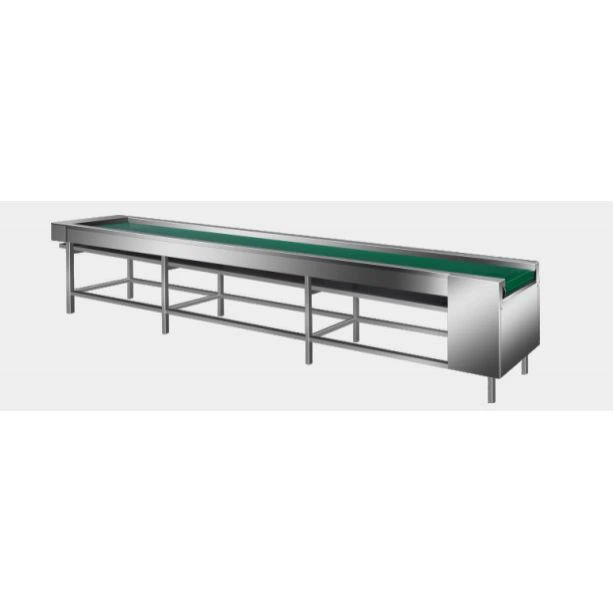
The PVC Plain Conveyor Belt is a common type of PVC conveyor belt. It has a smooth surface, which makes it suitable for transporting a variety of products, from small items to larger packages.
Factors Affecting the Service Life of PVC Conveyor Belts
Several factors can influence how long a PVC conveyor belt will last. Understanding these factors is the first step in predicting its service life.
1. Operating Conditions
The environment in which the conveyor belt operates plays a huge role. If the temperature is too high or too low, it can affect the PVC material. High temperatures can cause the belt to become soft and stretch, while low temperatures can make it brittle and prone to cracking.
Humidity is another factor. Excessive moisture can lead to mold growth on the belt, which can weaken the material over time. Additionally, if the belt is exposed to chemicals or abrasive substances, it can wear out faster.
2. Load and Tension
The amount of weight the belt has to carry and the tension applied to it are critical. Overloading the belt can cause it to stretch, tear, or break. Similarly, if the tension is too high, it can put extra stress on the belt and reduce its lifespan. On the other hand, if the tension is too low, the belt may slip, which can also cause wear and tear.
3. Belt Design and Quality
The design of the conveyor belt, including its thickness, width, and the type of fabric carcass used, can affect its durability. Higher-quality belts are usually made with better materials and manufacturing processes, which means they're likely to last longer.
Service Life Prediction Methods
1. Manufacturer Data and Experience
One of the simplest ways to predict the service life of a PVC conveyor belt is to rely on the manufacturer's data. Reputable manufacturers like us have conducted extensive testing on their belts under different conditions. They can provide estimates based on factors such as the type of belt, the expected operating conditions, and the load capacity.
For example, if you're using a PVC conveyor belt in a food processing plant with normal temperature and humidity conditions, we can give you an approximate lifespan based on our past experience with similar applications. However, it's important to note that these are just estimates, and actual lifespan may vary depending on how well the belt is maintained.
2. Visual Inspection
Regular visual inspections are also a valuable method for predicting the service life of a conveyor belt. By looking for signs of wear and tear, such as cracks, fraying, or excessive stretching, you can get an idea of how much longer the belt will last.
For instance, if you notice small cracks on the surface of the belt, it could be a sign that the material is starting to degrade. Over time, these cracks can grow and eventually cause the belt to fail. By catching these signs early, you can plan for a replacement before a major breakdown occurs.
3. Performance Monitoring
Monitoring the performance of the conveyor belt over time can also help in predicting its service life. This includes measuring factors like belt speed, tension, and power consumption.
If you notice a significant change in any of these parameters, it could indicate a problem with the belt. For example, if the belt is slowing down or the power consumption is increasing, it could mean that the belt is wearing out and causing more friction. By tracking these changes, you can predict when the belt is likely to reach the end of its service life.
4. Accelerated Aging Tests
In some cases, accelerated aging tests can be conducted to predict the long-term performance of a PVC conveyor belt. These tests involve subjecting the belt to extreme conditions, such as high temperatures or exposure to chemicals, for a short period of time.
By measuring the changes in the belt's properties, such as its strength or flexibility, after the accelerated aging test, you can estimate how the belt will perform over a longer period under normal operating conditions. However, these tests are more complex and expensive, so they're usually only used in research or for high-value applications.
Importance of Predicting Service Life
Predicting the service life of a PVC conveyor belt is not just about knowing when to replace it. It also has several other benefits.
Firstly, it helps with maintenance planning. By knowing when the belt is likely to need replacement, you can schedule maintenance activities in advance, minimizing downtime and disruption to your operations.
Secondly, it can save you money. By replacing the belt at the right time, you can avoid costly breakdowns and emergency repairs. You can also budget for the replacement in advance, which can help with financial planning.
Finally, it improves safety. A worn-out conveyor belt is more likely to fail, which can pose a risk to workers and equipment. By predicting the service life and replacing the belt when necessary, you can ensure a safer working environment.
Conclusion
So, there you have it! Predicting the service life of a PVC conveyor belt involves considering factors like operating conditions, load, and belt quality, and using methods such as manufacturer data, visual inspection, performance monitoring, and accelerated aging tests.
As a PVC conveyor belt supplier, we're here to help you with all your belt needs. Whether you're looking for a new belt, need advice on maintenance, or want to predict the service life of your existing belt, we're just a message away. If you're interested in our PVC Plain Conveyor Belt or any other PVC conveyor belts, please feel free to reach out and start a discussion about your purchase. We're eager to provide you with the best solutions for your business.
References
- Conveyor Belt Handbook, various industry publishers
- PVC Conveyor Belt Industry Reports, market research firms


