


When it comes to running a successful food service establishment, efficiency and cleanliness are paramount. One essential piece of equipment that plays a crucial role in maintaining these standards is the Commercial Cup Washer. As a leading supplier of commercial cup washers, I often get asked about the water flow rate of these machines. In this blog post, I'll delve into the details of water flow rate, its importance, and how it impacts the performance of a commercial cup washer.

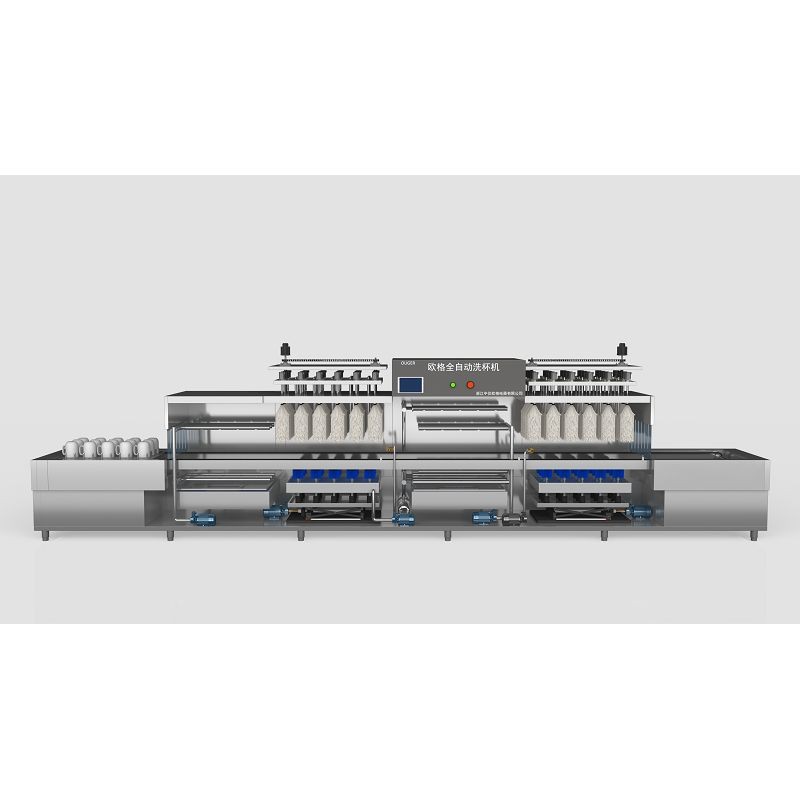
Understanding Water Flow Rate
Water flow rate refers to the volume of water that passes through a system in a given period, typically measured in gallons per minute (GPM) or liters per minute (LPM). In the context of a commercial cup washer, the water flow rate determines how much water is used during the washing and rinsing cycles. It is a critical factor that affects the cleaning efficiency, energy consumption, and overall performance of the machine.
Importance of Water Flow Rate in a Commercial Cup Washer
- Cleaning Efficiency: A proper water flow rate ensures that the cups are thoroughly cleaned. Sufficient water pressure and volume are needed to remove stubborn stains, grease, and debris from the cups. If the water flow rate is too low, the cups may not be cleaned effectively, leading to poor hygiene and customer dissatisfaction. On the other hand, if the flow rate is too high, it can cause splashing and waste water.
- Energy Consumption: The water flow rate also impacts the energy consumption of the commercial cup washer. A higher flow rate generally requires more energy to pump and heat the water. By optimizing the water flow rate, you can reduce energy costs without compromising on cleaning performance.
- Machine Longevity: Maintaining the correct water flow rate helps to prevent damage to the commercial cup washer. Insufficient water flow can cause the pump to overheat and wear out prematurely, while excessive flow can put stress on the plumbing and other components of the machine.
Factors Affecting Water Flow Rate
- Water Supply Pressure: The pressure of the incoming water supply is a major factor that determines the water flow rate. Most commercial cup washers require a minimum water supply pressure of 20 to 40 pounds per square inch (psi) to operate effectively. If the water pressure is too low, the flow rate will be reduced, and the machine may not function properly.
- Pipe Size and Length: The size and length of the pipes that connect the commercial cup washer to the water supply also affect the water flow rate. Smaller pipes or longer pipe runs can restrict the flow of water, resulting in a lower flow rate. It is important to ensure that the pipes are of the appropriate size and that there are no kinks or blockages in the plumbing.
- Nozzle Design and Condition: The design and condition of the nozzles in the commercial cup washer play a crucial role in determining the water flow rate and distribution. Clogged or damaged nozzles can reduce the flow rate and cause uneven cleaning. Regular maintenance and cleaning of the nozzles are essential to ensure optimal performance.
Typical Water Flow Rates for Commercial Cup Washers
The water flow rate of a commercial cup washer can vary depending on the model, size, and features of the machine. Generally, smaller cup washers with a lower capacity may have a water flow rate of around 1 to 2 GPM (3.8 to 7.6 LPM), while larger, high-capacity machines can have a flow rate of 3 to 5 GPM (11.4 to 18.9 LPM) or more.
It is important to note that these are just general guidelines, and the actual water flow rate of a specific commercial cup washer should be determined by referring to the manufacturer's specifications. Some cup washers may also offer adjustable water flow rates, allowing you to customize the settings based on your specific needs.
Optimizing Water Flow Rate for Your Commercial Cup Washer
- Check the Water Supply: Ensure that the water supply pressure is within the recommended range for your commercial cup washer. If the pressure is too low, you may need to install a booster pump to increase the pressure.
- Inspect the Plumbing: Check the pipes and connections for any leaks, kinks, or blockages. Replace any damaged or worn-out pipes or fittings to ensure a smooth flow of water.
- Clean the Nozzles: Regularly clean the nozzles in the commercial cup washer to prevent clogging. Use a soft brush or a nozzle cleaning tool to remove any debris or mineral deposits.
- Adjust the Settings: If your commercial cup washer has adjustable water flow rate settings, experiment with different settings to find the optimal balance between cleaning performance and water consumption.
Conclusion
The water flow rate of a commercial cup washer is a critical factor that affects its cleaning efficiency, energy consumption, and overall performance. By understanding the importance of water flow rate and taking steps to optimize it, you can ensure that your commercial cup washer operates at its best, providing clean and hygienic cups for your customers.
As a supplier of Commercial Cup Washers, I am committed to providing high-quality products and expert advice to help you make the most of your investment. If you have any questions about water flow rate or need assistance in selecting the right commercial cup washer for your business, please don't hesitate to contact me. I'd be happy to discuss your specific requirements and help you find the perfect solution.
References
- "Commercial Dishwasher and Glass Washer Buying Guide." WebstaurantStore.
- "Water Flow Rate: What It Is and Why It Matters." The Spruce.
- Manufacturer's specifications for commercial cup washers.


