


What is the water pressure requirement for a commercial glass washer?
As a supplier of commercial glass washers, I often get asked about the water pressure requirements for these essential pieces of equipment. Understanding the proper water pressure is crucial for ensuring the efficient and effective operation of a commercial glass washer. In this blog post, I will delve into the details of water pressure requirements, why they matter, and how to ensure your glass washer is getting the right amount of water pressure.
Why Water Pressure Matters
Water pressure plays a vital role in the performance of a commercial glass washer. It affects several key aspects of the washing process, including:
- Cleaning Power: Adequate water pressure is necessary to force water through the spray arms and onto the glasses. Higher pressure can help dislodge stubborn dirt, grease, and residue, ensuring a thorough clean.
- Rinsing Efficiency: Proper water pressure is essential for effective rinsing. It helps to remove all traces of detergent and debris from the glasses, leaving them spotless and ready for use.
- Cycle Time: Insufficient water pressure can lead to longer cycle times as the washer may need to run for a longer period to achieve the desired level of cleanliness. On the other hand, excessive water pressure can also cause issues, such as water splashing out of the machine or damage to the glasses.
- Equipment Lifespan: Maintaining the correct water pressure can help extend the lifespan of your commercial glass washer. Too much or too little pressure can put additional stress on the components, leading to premature wear and tear.
Ideal Water Pressure Range
The ideal water pressure for a commercial glass washer typically falls within a specific range. Most manufacturers recommend a water pressure between 20 and 60 pounds per square inch (psi). However, it's important to note that the exact requirements may vary depending on the make and model of the glass washer.
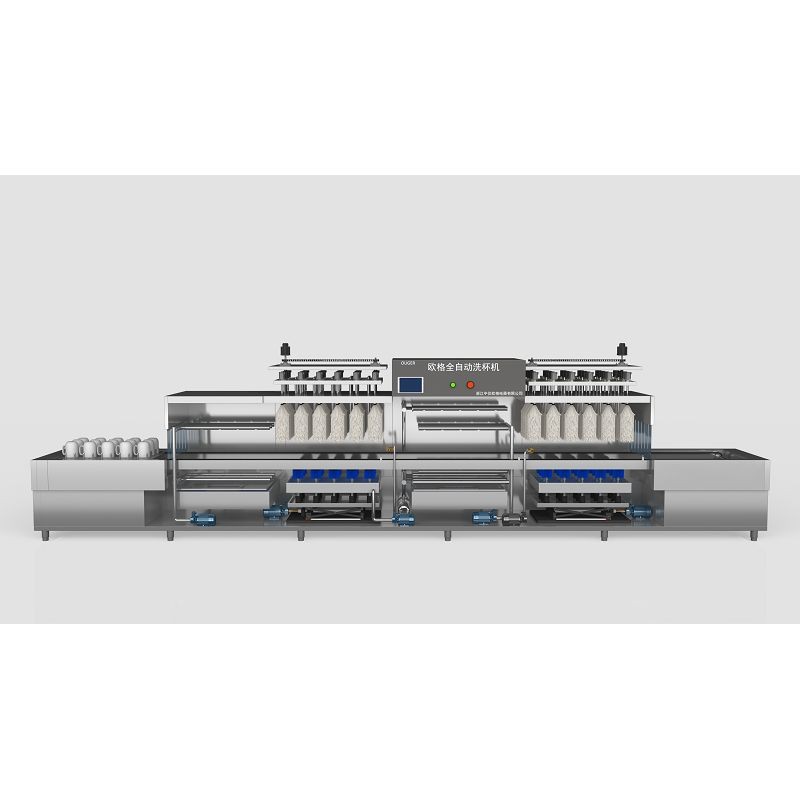

- Low Water Pressure: If the water pressure is below the recommended range, the glass washer may not be able to generate enough force to clean the glasses effectively. This can result in dirty or streaky glasses, as well as longer cycle times. Low water pressure can also cause the spray arms to clog more easily, reducing the overall performance of the machine.
- High Water Pressure: On the other hand, if the water pressure is too high, it can cause several problems. Excessive pressure can lead to water splashing out of the machine, creating a mess and potentially damaging the surrounding area. It can also put additional stress on the components, increasing the risk of leaks and other mechanical issues. In some cases, high water pressure can even cause the glasses to break or crack.
Factors Affecting Water Pressure
Several factors can affect the water pressure in a commercial kitchen. Understanding these factors can help you identify and address any issues that may be causing low or high water pressure.
- Water Supply: The water supply to your commercial kitchen can have a significant impact on the water pressure. If the main water line is too small or if there are restrictions in the plumbing system, it can result in low water pressure. Additionally, if the water supply is shared with other appliances or fixtures, it can also affect the pressure available to the glass washer.
- Pipe Size and Length: The size and length of the pipes that supply water to the glass washer can also affect the water pressure. Smaller pipes or longer runs of pipe can cause a drop in pressure, especially if there are multiple bends or turns in the plumbing system.
- Valves and Fittings: Faulty valves or fittings can also cause water pressure issues. A partially closed valve or a leaky fitting can restrict the flow of water, reducing the pressure available to the glass washer.
- Water Heater: If your commercial glass washer uses hot water, the water heater can also affect the water pressure. A malfunctioning water heater or a water heater that is too small for the demand can result in low water pressure.
Testing and Adjusting Water Pressure
To ensure that your commercial glass washer is getting the right amount of water pressure, it's important to test the pressure regularly. You can use a pressure gauge to measure the water pressure at the inlet of the glass washer. If the pressure is outside the recommended range, you may need to take steps to adjust it.
- Low Water Pressure: If the water pressure is too low, you can try the following solutions:
- Check the water supply: Make sure that the main water valve is fully open and that there are no restrictions in the plumbing system.
- Clean the filters: Clogged filters can restrict the flow of water and reduce the pressure. Clean or replace the filters regularly to ensure optimal performance.
- Install a booster pump: If the water pressure is consistently low, you may need to install a booster pump to increase the pressure. A booster pump can help to ensure that the glass washer is getting the right amount of water pressure.
- High Water Pressure: If the water pressure is too high, you can try the following solutions:
- Install a pressure regulator: A pressure regulator can help to reduce the water pressure to a safe and optimal level. It is typically installed at the inlet of the glass washer.
- Check the plumbing system: Make sure that there are no leaks or other issues in the plumbing system that may be causing the high water pressure.
- Adjust the valves: If the water pressure is adjustable, you can try adjusting the valves to reduce the pressure.
Importance of Regular Maintenance
Regular maintenance is essential for ensuring the proper operation of your commercial glass washer and maintaining the correct water pressure. Here are some maintenance tips to keep in mind:
- Clean the Machine: Regularly clean the interior and exterior of the glass washer to remove dirt, debris, and detergent residue. This can help to prevent clogs and ensure optimal performance.
- Inspect the Components: Check the spray arms, nozzles, and other components for damage or wear. Replace any damaged parts as needed to ensure proper water flow and pressure.
- Test the Water Pressure: As mentioned earlier, test the water pressure regularly to ensure that it is within the recommended range. Make any necessary adjustments to maintain optimal performance.
- Follow the Manufacturer's Recommendations: Always follow the manufacturer's recommendations for maintenance and operation of your commercial glass washer. This can help to ensure that the machine is operating safely and efficiently.
Conclusion
In conclusion, understanding the water pressure requirements for a commercial glass washer is crucial for ensuring its efficient and effective operation. By maintaining the correct water pressure, you can improve the cleaning power, rinsing efficiency, and overall performance of the machine. Regular testing and maintenance are essential for keeping the water pressure within the recommended range and preventing any issues that may affect the performance of the glass washer.
If you are in the market for a commercial glass washer or need assistance with water pressure issues, please don't hesitate to contact us. We are a leading supplier of Commercial Cup Washer and other commercial kitchen equipment, and our team of experts is here to help you find the right solution for your needs.
References
- Manufacturer's manuals for commercial glass washers
- Plumbing codes and standards
- Industry best practices for commercial kitchen equipment maintenance


