When it comes to the industrial world, PVC conveyor belts are a staple in many sectors, from manufacturing to food processing. As a PVC conveyor belt supplier, I've witnessed firsthand the importance of having the right tools for cutting these belts. Whether you're installing a new belt, making repairs, or adjusting the length, the quality of your tools can significantly impact the outcome. In this blog post, I'll discuss the essential tools needed to cut a PVC conveyor belt effectively and safely.
Measuring Tools
Before you even think about cutting, accurate measurement is crucial. A measuring tape is the most basic yet indispensable tool. It allows you to determine the exact length and width of the belt required for your specific application. For more precise measurements, especially in applications where every millimeter counts, a digital caliper can be a valuable addition. Digital calipers can measure the thickness of the PVC belt with high accuracy, which is essential when dealing with belts of different specifications.
Marking Tools
Once you've measured the belt, you need to mark the cutting line clearly. A chalk or a marking pen designed for use on PVC materials is ideal. These tools provide a visible and long - lasting mark that won't smudge during the cutting process. Make sure to mark the cutting line on both sides of the belt to ensure a straight and accurate cut.
Cutting Tools
Utility Knife
A sharp utility knife is a must - have for cutting PVC conveyor belts. Look for a knife with a retractable blade and a comfortable grip. The blade should be made of high - quality steel to ensure durability and a clean cut. When using a utility knife, make multiple shallow cuts along the marked line rather than trying to cut through the belt in one go. This approach reduces the risk of the blade wandering and ensures a more precise cut.
Scissors
For thinner PVC conveyor belts, a pair of heavy - duty scissors can be a convenient cutting tool. Scissors offer more control and are easier to maneuver in tight spaces. However, they are not suitable for thicker belts as they may not be able to cut through the material cleanly.
Band Saw
For larger - scale operations or when cutting thick PVC conveyor belts, a band saw is the tool of choice. A band saw can cut through the belt quickly and efficiently, providing a smooth and straight edge. When using a band saw, make sure to use a blade specifically designed for cutting plastic materials. This will prevent the blade from clogging and ensure a clean cut.
Hot Knife
A hot knife is another option for cutting PVC conveyor belts. The heat from the knife melts the PVC as it cuts, resulting in a sealed edge that is less likely to fray. Hot knives are particularly useful for belts that will be exposed to high - stress environments or where a clean, sealed edge is required. However, they require careful handling due to the risk of burns.
Safety Tools
Safety should always be a top priority when cutting PVC conveyor belts. Here are some essential safety tools:
Gloves
Wear thick, cut - resistant gloves to protect your hands from the sharp cutting tools. Gloves also provide a better grip on the tools, reducing the risk of accidents.
Safety Glasses
Safety glasses protect your eyes from flying debris during the cutting process. PVC particles can be sharp and can cause serious eye injuries if they come into contact with your eyes.
Dust Mask
When cutting PVC, fine dust particles can be released into the air. A dust mask helps to prevent you from inhaling these particles, which can be harmful to your respiratory system.
Additional Tools
Clamps
Clamps are useful for holding the belt in place during the cutting process. This ensures that the belt doesn't move, resulting in a more accurate cut. You can use C - clamps or bar clamps, depending on the size and shape of the belt.
Belt Splicing Kit
If you're cutting the belt to make a splice, a belt splicing kit is essential. A splicing kit typically includes adhesives, abrasives, and other tools needed to join the two ends of the belt together. Proper splicing is crucial for the longevity and performance of the conveyor belt.
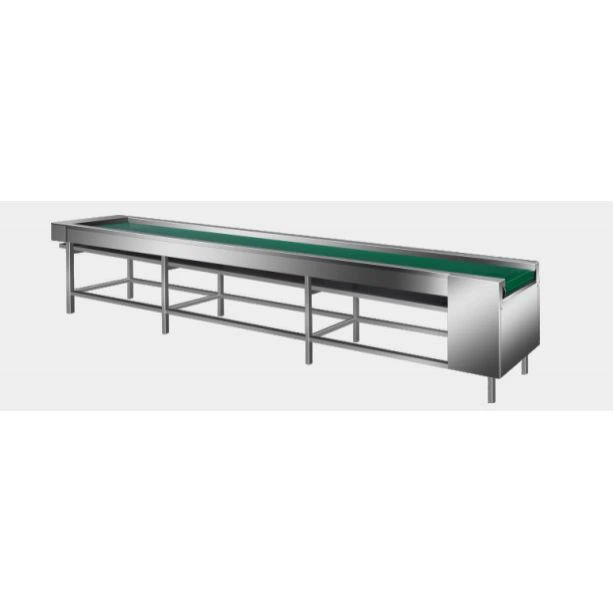
As a PVC conveyor belt supplier, I understand that choosing the right tools is just as important as choosing the right belt. At our company, we offer a wide range of PVC Plain Conveyor Belt that are suitable for various applications. Our belts are made from high - quality PVC materials and are designed to meet the highest industry standards.
If you're in the market for PVC conveyor belts or need advice on the best tools for cutting them, don't hesitate to contact us. Our team of experts is always ready to assist you in finding the right solutions for your specific needs. Whether you're a small - scale operation or a large industrial facility, we have the products and knowledge to help you succeed.
References
- Industrial Conveyor Belt Handbook, Various Authors
- PVC Materials: Properties and Applications, Plastics Institute of America