


As a supplier of PVC Plain Conveyor Belts, I've witnessed firsthand how various factors can impact the performance and longevity of these essential industrial components. One such factor that often goes overlooked is the minimum pulley diameter. In this blog post, I'll delve into how the minimum pulley diameter affects the operation of a PVC Plain Conveyor Belt and why it's crucial to pay attention to this specification.
Understanding PVC Plain Conveyor Belts
Before we dive into the role of the minimum pulley diameter, let's briefly review what PVC Plain Conveyor Belts are. These belts are made from polyvinyl chloride (PVC), a synthetic plastic polymer known for its durability, flexibility, and resistance to chemicals. PVC Plain Conveyor Belts are commonly used in a wide range of industries, including food processing, packaging, electronics, and automotive manufacturing, to transport goods and materials efficiently and reliably.
The PVC Plain Conveyor Belt is characterized by its smooth surface, which makes it ideal for conveying items that require gentle handling or precise positioning. These belts are available in various thicknesses, widths, and lengths to accommodate different applications and conveyor systems.
The Significance of Minimum Pulley Diameter
The minimum pulley diameter refers to the smallest diameter of the pulley that can be used with a particular PVC Plain Conveyor Belt without causing excessive stress, wear, or damage to the belt. This specification is determined by several factors, including the belt's construction, thickness, and material properties, as well as the operating conditions of the conveyor system.
Using a pulley with a diameter smaller than the recommended minimum can have several negative effects on the operation of the PVC Plain Conveyor Belt:
1. Increased Belt Stress
When a belt is wrapped around a pulley with a small diameter, it experiences higher bending stress compared to when it's wrapped around a larger pulley. This increased stress can cause the belt to stretch, deform, or crack over time, leading to premature failure and reduced belt life. Additionally, the high stress can also cause the belt to delaminate, where the layers of the belt separate from each other, further compromising its integrity.
2. Reduced Belt Flexibility
A pulley with a small diameter restricts the belt's ability to flex smoothly as it passes around the pulley. This can result in uneven tension distribution across the belt, causing it to run off - center, serpentine, or vibrate during operation. These issues can lead to increased wear on the belt edges, as well as damage to the conveyor system components, such as the pulleys, idlers, and guides.
3. Higher Friction and Heat Generation
The increased bending stress and restricted flexibility associated with a small pulley diameter can also lead to higher friction between the belt and the pulley. This friction generates heat, which can cause the belt material to soften, degrade, or even melt in extreme cases. Excessive heat can also accelerate the wear and tear of the belt, reducing its performance and lifespan.
4. Impact on Belt Tracking
Proper belt tracking is essential for the efficient and reliable operation of a conveyor system. A pulley with a small diameter can disrupt the belt's tracking, causing it to wander off - center and potentially come into contact with the conveyor frame or other components. This can result in damage to the belt, as well as increased downtime and maintenance costs.
Selecting the Appropriate Minimum Pulley Diameter
To ensure the optimal performance and longevity of a PVC Plain Conveyor Belt, it's crucial to select the appropriate minimum pulley diameter based on the specific requirements of the application. Here are some key considerations when choosing the right pulley diameter:
1. Belt Thickness
Thicker belts generally require larger minimum pulley diameters to prevent excessive bending stress. As a rule of thumb, the minimum pulley diameter should be at least a certain multiple of the belt thickness. For example, for a standard PVC Plain Conveyor Belt, the minimum pulley diameter may be recommended to be at least 10 - 20 times the belt thickness, depending on the belt's construction and material properties.
2. Belt Material
The material properties of the PVC Plain Conveyor Belt, such as its flexibility, stiffness, and resistance to bending, also play a role in determining the minimum pulley diameter. Belts made from more flexible materials may be able to tolerate smaller pulley diameters compared to stiffer belts. However, it's important to consult the belt manufacturer's specifications to ensure that the selected pulley diameter is compatible with the belt material.
3. Operating Conditions
The operating conditions of the conveyor system, including the speed, load, temperature, and environment, can also affect the minimum pulley diameter requirements. For example, belts operating at high speeds or under heavy loads may require larger pulley diameters to reduce stress and heat generation. Similarly, belts used in high - temperature or corrosive environments may need to be paired with pulleys that can withstand these conditions.
4. Conveyor System Design
The design of the conveyor system, including the layout, number of pulleys, and tensioning mechanism, should also be taken into account when selecting the minimum pulley diameter. A well - designed conveyor system with proper tensioning and alignment can help to reduce the stress on the belt and allow for the use of smaller pulley diameters in some cases.
Case Study: Impact of Incorrect Pulley Diameter
To illustrate the importance of selecting the appropriate minimum pulley diameter, let's consider a case study of a food processing plant that was experiencing frequent belt failures on their PVC Plain Conveyor Belt system. The plant had recently upgraded their conveyor system to increase production speed but had not adjusted the pulley diameters accordingly.
The new conveyor system was using pulleys with a diameter that was smaller than the recommended minimum for the PVC Plain Conveyor Belt. As a result, the belt was experiencing high bending stress, which caused it to stretch and crack within a few weeks of operation. The belt also started to run off - center, leading to increased wear on the belt edges and damage to the conveyor guides.
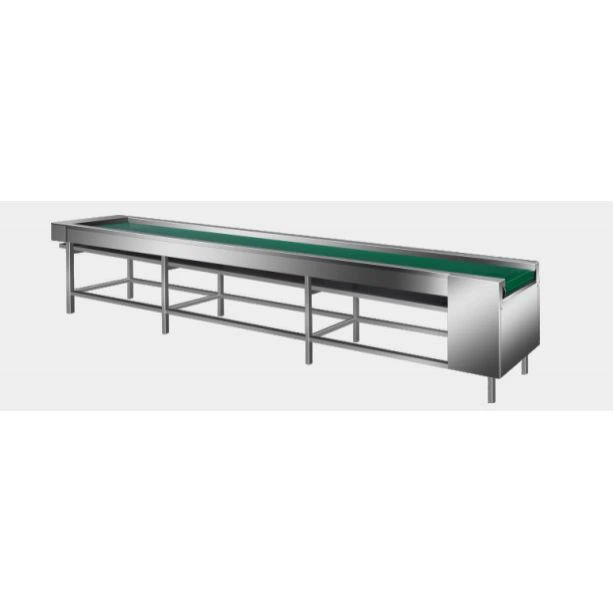
After consulting with the belt supplier, the plant replaced the pulleys with ones that had a larger diameter, in accordance with the belt manufacturer's specifications. This simple change significantly improved the performance and reliability of the conveyor system. The belt no longer experienced excessive stress or tracking issues, and its lifespan increased from a few weeks to several months.
Conclusion
In conclusion, the minimum pulley diameter plays a critical role in the operation of a PVC Plain Conveyor Belt. Using a pulley with a diameter smaller than the recommended minimum can lead to increased belt stress, reduced flexibility, higher friction and heat generation, and poor belt tracking, all of which can result in premature belt failure and increased maintenance costs.
As a supplier of PVC Plain Conveyor Belts, I highly recommend that customers carefully consider the minimum pulley diameter requirements when selecting a belt for their conveyor system. By choosing the appropriate pulley diameter based on the belt thickness, material, operating conditions, and conveyor system design, customers can ensure the optimal performance and longevity of their conveyor belts.
If you're in the market for a PVC Plain Conveyor Belt or need assistance with selecting the right minimum pulley diameter for your application, I encourage you to reach out to me. I have extensive experience in the industry and can provide you with expert advice and high - quality products to meet your specific needs. Let's work together to ensure the efficient and reliable operation of your conveyor system.
References
- "Conveyor Belt Handbook" by The Conveyor Equipment Manufacturers Association (CEMA)
- Technical literature provided by PVC Plain Conveyor Belt manufacturers
- Industry research papers on conveyor belt technology and performance


