


Hey there! As a supplier of PVC conveyor belts, I often get asked about the humidity resistance of these belts. So, I thought I'd take a moment to break it down for you.
First off, let's talk about what PVC is. PVC stands for polyvinyl chloride, which is a synthetic plastic polymer. It's a popular material for conveyor belts because it's durable, flexible, and relatively inexpensive. But when it comes to humidity, how does it hold up?
How Humidity Affects Materials
Humidity can have a pretty big impact on different materials. When there's a high level of moisture in the air, materials can absorb that water. This can lead to all sorts of problems, like swelling, warping, or even degradation. For conveyor belts, these issues can mean reduced performance, shorter lifespan, and more maintenance.
PVC Conveyor Belts and Humidity Resistance
The good news is that PVC conveyor belts are generally quite resistant to humidity. PVC itself is a non - porous material, which means it doesn't easily absorb water. This property gives PVC conveyor belts a natural advantage when it comes to dealing with moist environments.
In normal humidity conditions, say around 40 - 60% relative humidity, PVC conveyor belts will perform just fine. They won't absorb moisture from the air, so there's no risk of swelling or warping. This stability allows the belts to maintain their shape and function properly, ensuring smooth and efficient operation of your conveyor system.
Even in more humid conditions, up to 80 - 90% relative humidity, PVC conveyor belts can still handle it well. The non - porous nature of PVC prevents water from seeping into the material. However, it's important to note that if the belts are constantly exposed to standing water or extremely high humidity for long periods, there could be some minor surface effects. For example, there might be a bit of condensation on the belt, but this won't affect the overall integrity of the belt.
Factors That Can Influence Humidity Resistance
While PVC conveyor belts are inherently humidity - resistant, there are a few factors that can influence how well they hold up in humid environments.
Additives and Treatments
Some PVC conveyor belts may have additives or treatments that enhance their humidity resistance. For example, special coatings can be applied to the surface of the belt to make it even more water - repellent. These coatings act as an extra barrier, preventing water from coming into contact with the PVC material.
Belt Thickness
The thickness of the PVC conveyor belt can also play a role. Thicker belts generally have better humidity resistance because there's more material to protect against moisture penetration. A thicker belt is less likely to be affected by any minor surface moisture and can withstand humid conditions for longer periods.
Operating Conditions
The way the conveyor belt is used also matters. If the belt is running in a well - ventilated area, even in a humid environment, the air circulation can help reduce the amount of moisture that accumulates on the belt. On the other hand, if the conveyor system is in a closed, poorly ventilated space, the humidity can build up around the belt, potentially causing more problems.
Benefits of Using Humidity - Resistant PVC Conveyor Belts
There are several benefits to using PVC conveyor belts with good humidity resistance.
Longevity
Since these belts don't absorb moisture easily, they're less likely to experience damage from swelling or warping. This means they have a longer lifespan compared to belts made from less humidity - resistant materials. You won't have to replace your conveyor belts as often, which can save you a lot of money in the long run.
Reliability
In a humid environment, a reliable conveyor belt is crucial. Humidity - resistant PVC conveyor belts can maintain their performance consistently, ensuring that your conveyor system runs smoothly. This reduces the risk of breakdowns and downtime, which is essential for keeping your production or operation on track.
Low Maintenance
Because PVC conveyor belts are resistant to humidity - related damage, they require less maintenance. You don't have to worry about constantly checking for signs of water damage or taking extra steps to protect the belts from moisture. This simplifies your maintenance routine and allows you to focus on other aspects of your business.
Applications of Humidity - Resistant PVC Conveyor Belts
These belts are suitable for a wide range of applications where humidity is a concern.
Food Processing
In food processing facilities, humidity levels can be high due to the washing and cooking processes. PVC conveyor belts with good humidity resistance are ideal for transporting food products because they can withstand the moist environment without degrading or contaminating the food.
Beverage Production
Beverage production involves a lot of water and steam, which creates a humid atmosphere. Humidity - resistant PVC conveyor belts can be used to move bottles, cans, and other beverage containers through the production line without any issues.
Textile Industry
Textile factories often have high humidity levels to prevent static electricity and keep the fibers moist. PVC conveyor belts can handle these conditions well, making them a great choice for transporting fabrics and other textile materials.
Our PVC Conveyor Belts
At our company, we offer a wide range of PVC Plain Conveyor Belt that are designed with excellent humidity resistance. Our belts are made from high - quality PVC materials and may have additional treatments to enhance their performance in humid environments.
We understand that every customer has different needs, so we can customize the belts according to your specific requirements. Whether you need a thicker belt for extra protection or a special coating for increased water - repellency, we can make it happen.
Conclusion
In conclusion, PVC conveyor belts are generally very resistant to humidity. Their non - porous nature allows them to handle normal to high humidity conditions without significant problems. While there are some factors that can influence their humidity resistance, overall, they offer a reliable and cost - effective solution for conveyor systems in humid environments.
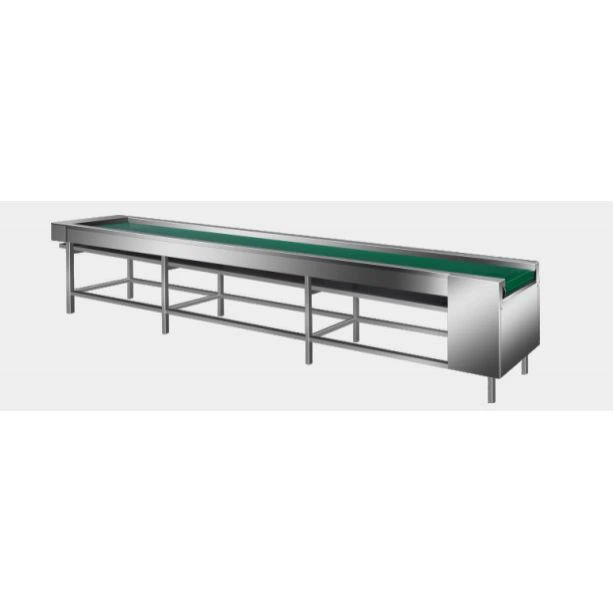
If you're in the market for a conveyor belt that can handle humidity, look no further. Our PVC conveyor belts are the perfect choice. We're here to provide you with the best products and support. If you have any questions or want to discuss your specific needs, don't hesitate to reach out. We'd love to help you find the right conveyor belt for your operation.
References
- "Plastics in Conveyor Belt Applications" - Industry Handbook
- "The Effects of Humidity on Synthetic Materials" - Journal of Materials Science


