

Buying a Commercial Dishwasher for a Small Restaurant: Installation, Spare Parts and Service FAQs
Choosing a commercial dishwasher for a small restaurant involves more than comparing machine dimensions, washing capacity and purchase price. Before ordering, buyers also need to know who will install and commission the equipment, how replacement parts will be identified, and what service is available at the restaurant's location.
Consider a typical purchasing scenario: the machine arrives before opening day, but the electrical connection is unfinished and no technician has been booked for startup. The equipment has been delivered, yet the restaurant cannot use it.
A practical purchase plan connects equipment selection with site preparation and future maintenance. This guide explains what restaurant owners, equipment distributors and kitchen contractors should confirm before placing an order.
1. Confirm Who Will Complete Each Installation Task
"Installation included" can describe different levels of work. One quotation may cover positioning and startup, while another includes connection to existing utilities. Building modifications may require separate contractors.
Ask the supplier to define the scope in writing.
Separate Site Preparation from Equipment Installation
Site preparation makes the kitchen ready to receive the machine. Depending on the model and local requirements, this may involve electrical work, water supply, drainage, ventilation arrangements and access for delivery.
Equipment installation concerns the machine itself: positioning, assembly, connection and preparation for operation.
These tasks may be handled by different parties. For example, a local electrician may prepare the power supply, a plumber may complete the water and drain connections, and an equipment technician may perform startup.
Before confirming your order, identify who is responsible for:
Unloading, unpacking and moving the machine into position.
Preparing the required electrical, water and drain connections.
Connecting the dishwasher to the prepared services.
Installing any specified tables, dosing equipment or accessories.
Starting the machine and checking its operation.
Training the restaurant's operators.
For detailed layout considerations, review the hood-type dishwasher installation space requirements alongside the selected model's installation drawing.
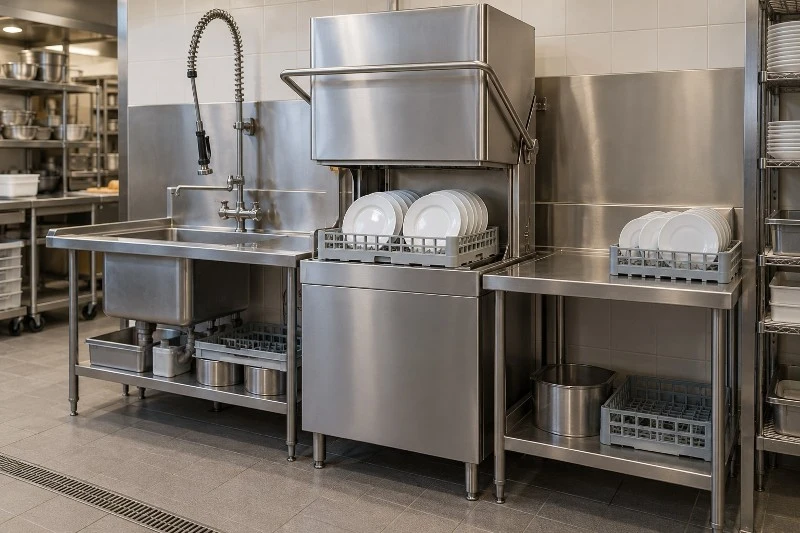
Review the machine position, table arrangement and utility connection locations before installation
Request Documents for the Exact Configuration
A general brochure helps compare products, but installation planning requires information for the configuration being purchased.
Request the applicable dimensions, connection locations, electrical specifications, water requirements, drainage arrangement and maintenance access requirements. Where relevant, also confirm detergent and rinse-aid connections.
Rinse aid is a chemical used during rinsing to help water drain from tableware. Its dosing arrangement should be considered when planning chemical storage and access.
Avoid assuming that two compact machines have identical utility requirements. Any differences between the quotation, installation documents and available site services should be resolved before shipment.
2. Define What "Ready to Use" Means
Delivery, installation and commissioning are separate milestones. Commissioning means checking that the installed equipment operates as intended before routine use begins.
For a restaurant preparing to open, the important date is when the dishwasher can enter service.
Agree on Startup Checks
Ask what the startup procedure covers and who will record the results. Depending on the machine, checks may include:
Filling and draining.
Water leaks and secure connections.
Heating operation and displayed temperatures.
Wash and rinse functions.
Chemical dosing, where fitted.
Operation of specified controls and safety devices.
Trial washing with suitable racks and representative tableware.
The applicable acceptance criteria should come from the manufacturer's instructions and the requirements of the installation location. A general online guide should not replace model-specific instructions.
A trial cycle should also reflect the restaurant's workflow. Staff need to understand loading, unloading and where clean racks will stand before tableware is stored.
Include Operator Handover
Request a practical handover covering startup, shutdown, routine cleaning and the checks operators are permitted to perform.
Make sure staff know where to find the model and serial number, how to describe an alarm, and whom to contact for support. Keep the operating instructions accessible to replacement staff as well as the original team.
Record commissioning and handover where required by the agreed warranty terms. Retaining these documents can help clarify later questions about installation and operation.
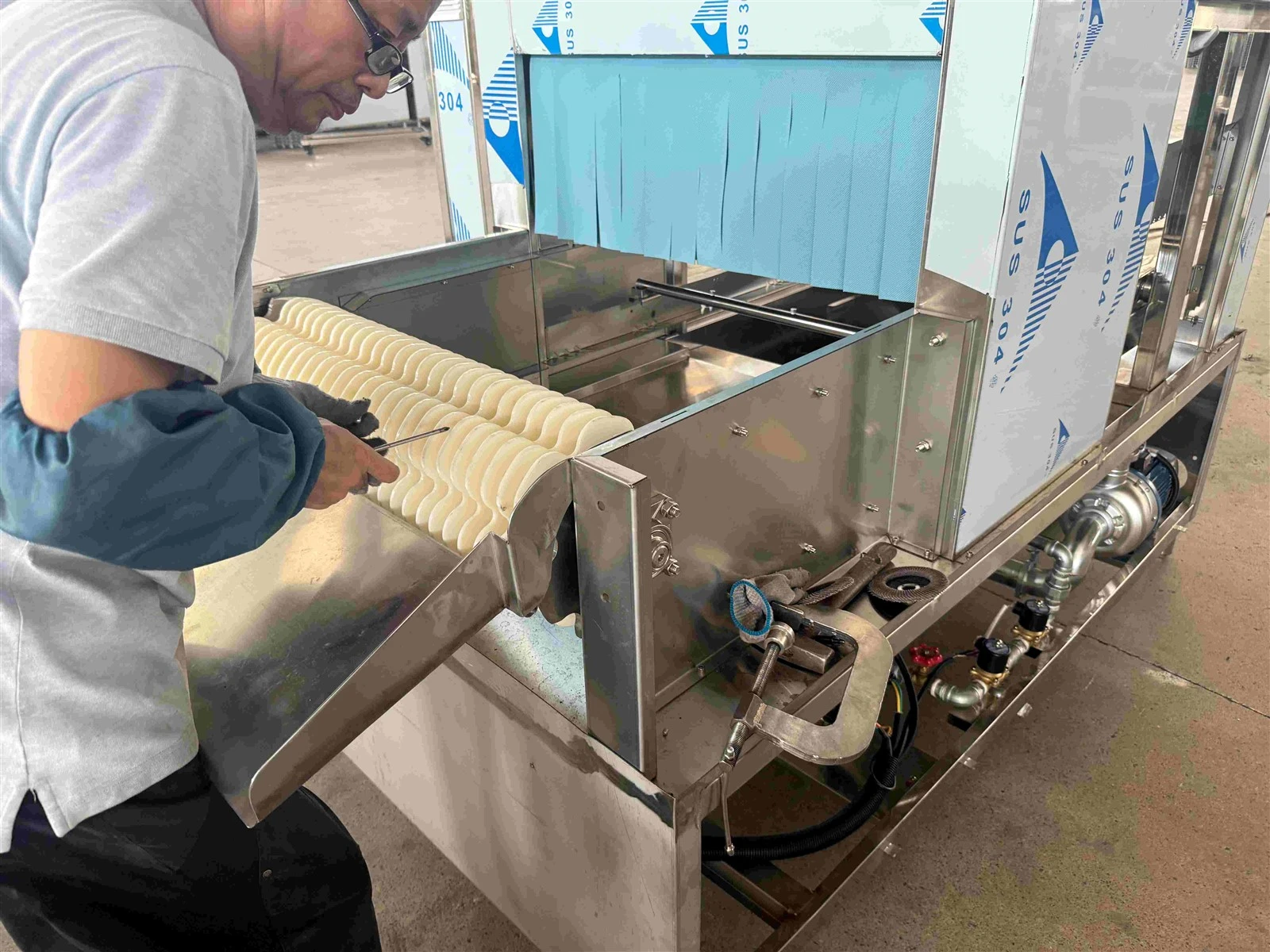
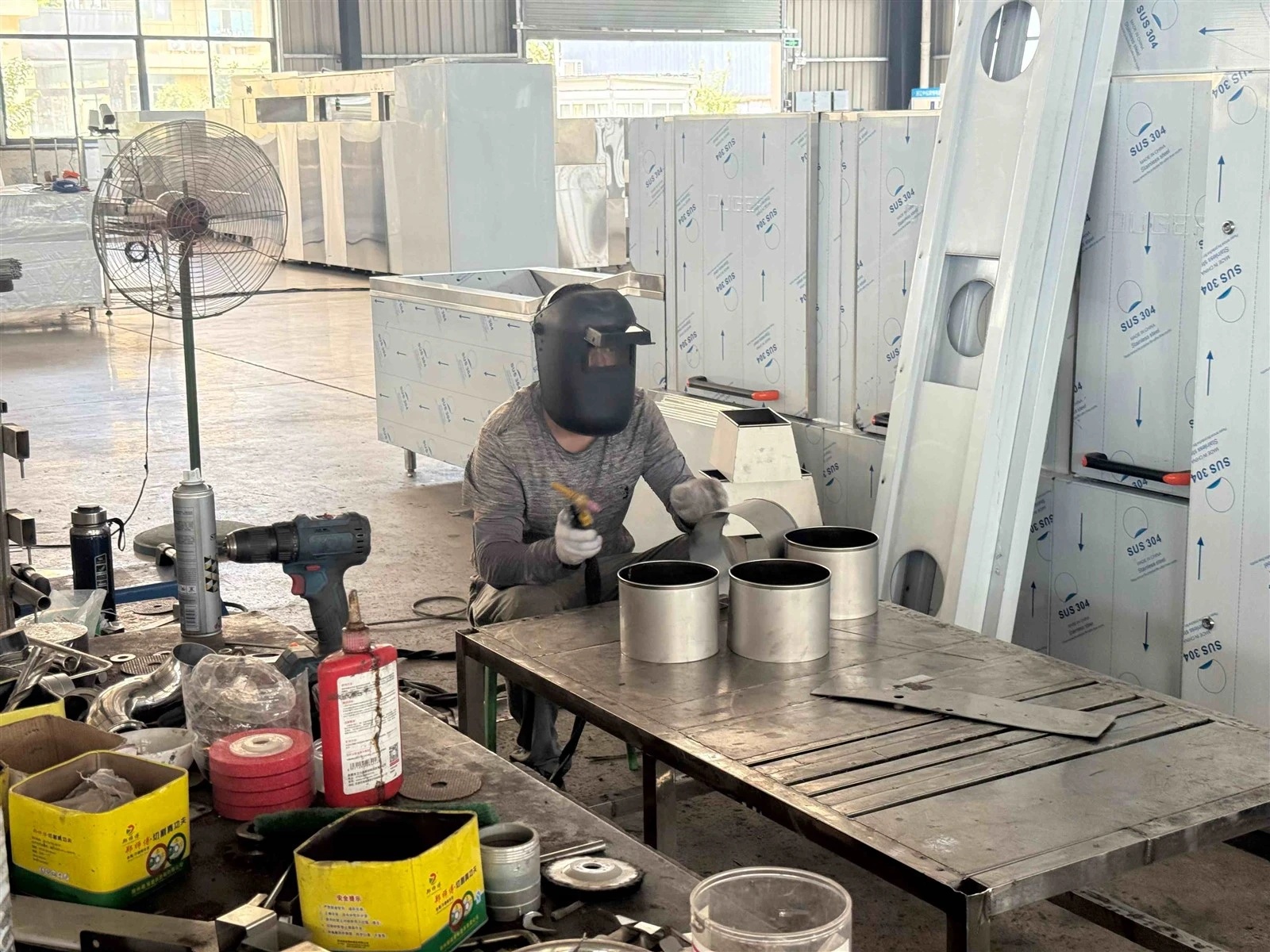
Operator handover should cover daily use, routine cleaning and the procedure for requesting support.
3. Establish a Spare-Parts Process Before a Breakdown
"Spare parts available" is a useful starting point, but buyers need a process for identifying, ordering and receiving the correct item.
A component that looks similar may have a different voltage, connection or specification. Confirm compatibility before ordering or fitting a replacement.
Keep an Equipment Identification Record
After delivery, create a simple equipment folder containing:
A clear photograph of the machine's identification plate.
Model and serial number.
Order or invoice reference.
Confirmed electrical configuration.
Installation and commissioning records.
Available manuals, wiring diagrams and parts information.
When requesting a replacement part, provide the equipment details and any existing part number. Photographs of the component, its label and its position in the machine can assist identification.
For example, "the pump has failed" may leave the supplier unsure which assembly is involved. A model number, serial number and technician's description provide a clearer starting point.
For a separate discussion of temperature-related faults and maintenance, see commercial dishwasher faults and maintenance.
Ask About a Model-Specific Spare-Parts Recommendation
Ask whether the supplier can recommend parts to hold locally for your selected machine and operating conditions.
A sensible recommendation should consider likely usage, local availability, replacement difficulty and the consequences of waiting for a shipment. There is little value in purchasing an expensive spare that cannot be installed by an available technician.
Distinguish routine consumables and wear items from major repair components. Ask which items restaurant staff may replace under the instructions and which require a qualified technician.
Also confirm whether the recommended items are included in the machine price, offered as an optional package or ordered separately.
Distinguish Dispatch from Arrival
When discussing replacement-parts lead times, ask whether the estimate refers to stock preparation, dispatch or delivery to your address.
For an international order, transport, customs clearance and local delivery may add time after dispatch. Confirm shipping options and who handles any applicable import costs.
A supplier's dispatch estimate alone should not be treated as a guaranteed date for returning the machine to operation.
4. Verify On-Site Service for Your Actual Location
A manufacturer's export experience does not automatically establish on-site service coverage for every destination.
Provide the country, city and installation address when discussing support. Ask who would attend if the equipment required professional inspection or repair.
Identify the Available Support Route
Support may involve several arrangements:
|
Support arrangement |
What buyers should clarify |
|
Manufacturer document support |
Which manuals, drawings and parts information are available? |
|
Telephone or video guidance |
Who participates, in what language, and during which working hours? |
|
Local distributor or service partner |
Does the provider cover the installation address and selected equipment? |
|
Buyer-appointed technician |
Can the supplier work with that technician, and what authorization is required? |
|
Manufacturer engineer visit |
Is a visit available, what work does it include, and how is it charged? |
Remote guidance can help communicate symptoms and identify the next step. It does not complete physical work that requires a technician on site.
Similarly, an initial technical response is different from a confirmed attendance time. If timing is important, ask separately about response, visit scheduling, diagnosis and parts delivery.
Check the Provider's Working Scope
A local service contact is most useful when its responsibilities are clear.
Ask whether the provider handles installation, startup, warranty assessment, paid repairs or only certain tasks. Confirm whether the provider has access to the required technical information and how parts are obtained.
For a distributor purchasing several machines, consider whether the same arrangement can support every customer location. Coverage in one city may not extend to another.
5. Compare the Complete Installation and Support Cost
A lower equipment quotation may exclude work included in another offer. Compare quotations against the same responsibilities before deciding which proposal offers better value.
Use the following table during supplier discussions.
|
Item |
Confirmation needed |
|
Equipment supply |
Exact model, configuration and included accessories |
|
Delivery and unloading |
Delivery point, handling responsibility and access restrictions |
|
Site preparation |
Electrical, plumbing, drainage and other required work |
|
Installation |
Included tasks and excluded building modifications |
|
Commissioning and training |
Provider, scope, scheduling and records |
|
Replacement parts |
Identification process, pricing and shipping arrangements |
|
On-site service |
Coverage, provider and attendance charges |
|
Warranty |
Covered components, labor, travel, freight and exclusions |
Read the Warranty as a Set of Specific Terms
Ask for the warranty terms applicable to the order and destination.
Confirm when coverage starts, how a claim is submitted, what evidence is required, and whether repair approval is needed before work begins.
Parts coverage does not necessarily establish who pays for diagnosis, removal, replacement labor, travel or international shipping. Each item should be clear in the written agreement.
For cost planning, compare the complete route from delivery to operation and from fault reporting to repair. This makes quotations easier to assess than a general promise of "full after-sales service."
6. Prepare a More Useful Enquiry for OUGER
When evaluating an OUGER Small-scale Catering Dishwasher, send the information needed to review both the equipment and the support arrangement:
Installation country and city.
Kitchen layout, available space and access photographs.
Available electrical supply and known water and drainage conditions.
Typical tableware and peak-period washing demand.
Planned delivery and operating dates.
Availability of a local installation or maintenance technician.
Required installation, training, documentation and spare-parts support.
Zhejiang Zhongyi Ouge Electrical Appliance Co., Ltd. integrates research and development, manufacturing, installation, sales and service. Its predecessor began commercial dishwasher production in 2003. Buyers can review the 【OUGER manufacturing and service background】 when assessing the manufacturer.
For an individual project, request confirmation of the documents, service scope and commercial terms applicable to the selected equipment and destination. This creates a clearer basis for the quotation and subsequent handover.
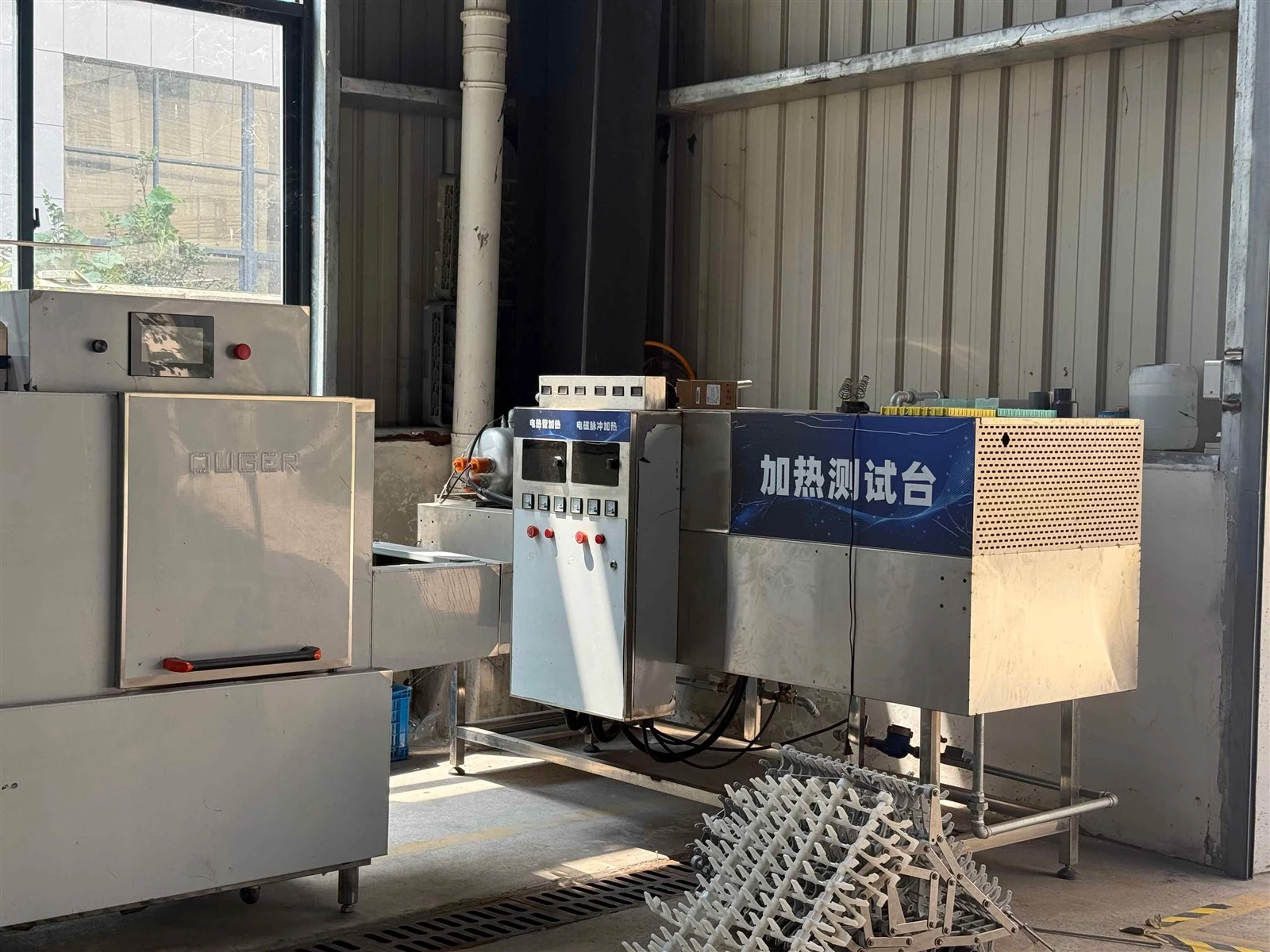
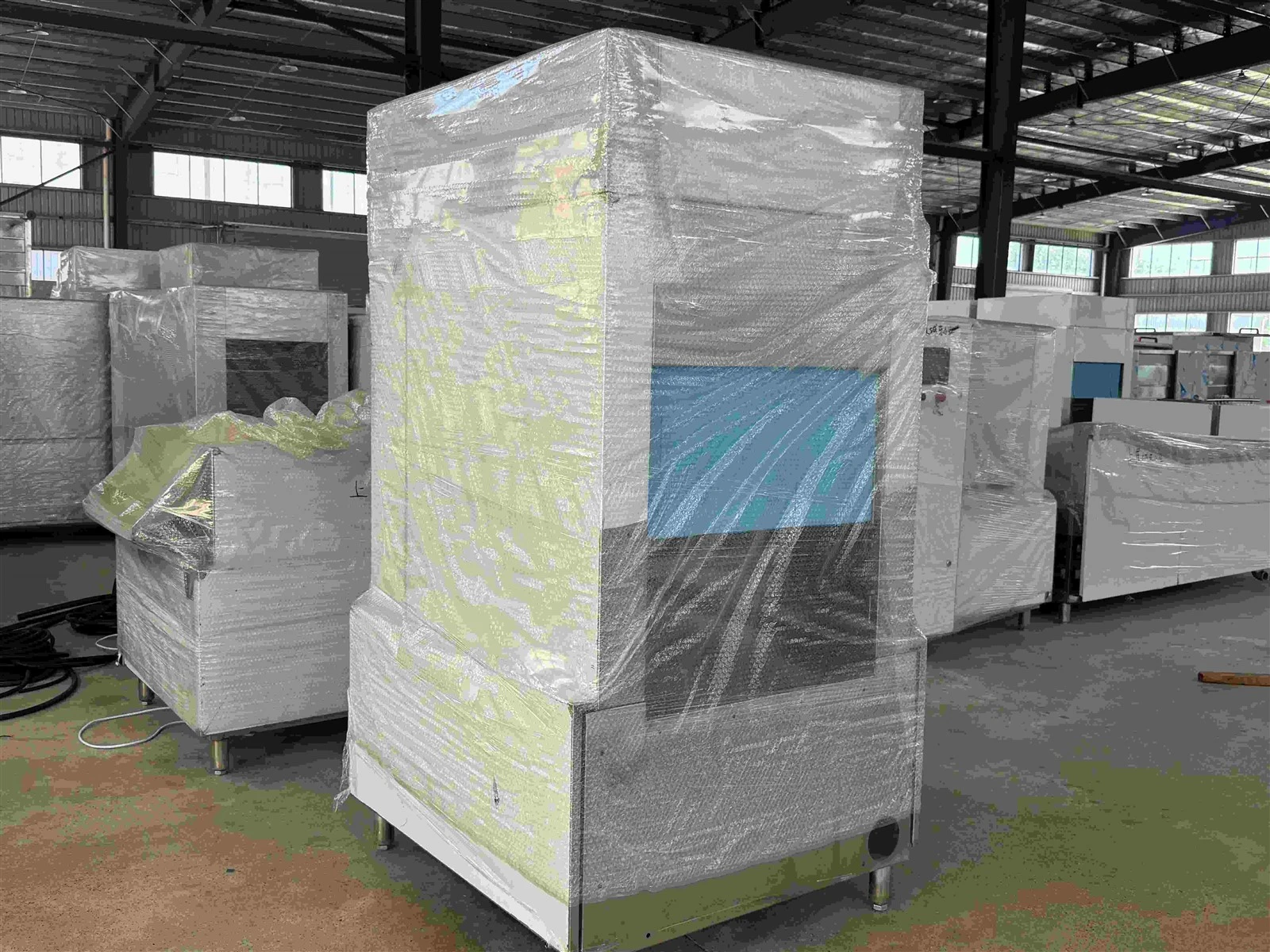
OUGER commercial dishwasher manufacturing and assembly
Conclusion: Confirm the Support Path Before Ordering
Before purchasing a dishwasher for a small restaurant, complete three checks: assign installation and commissioning responsibilities, establish how compatible spare parts will be supplied, and verify the service arrangement for the installation address.
Keep these confirmations with the quotation and order documents. A clear division of responsibilities helps the restaurant prepare the site, schedule the right people and know what to do if support is needed later.
FAQ
1. Can my local technician repair the machine without affecting the warranty?
Request written confirmation before arranging repairs. Ask whether prior authorization, particular qualifications or specified replacement parts are required. Keep the supplier's approval and the technician's service report with the equipment records.
2. What if the dishwasher arrives before the kitchen is ready?
Notify the supplier and installation contractor, then agree on suitable storage, handling and a revised startup date. Follow the equipment's storage instructions and clarify whether delayed installation affects any warranty or acceptance deadlines.
3. How can I request a part if its original part number is missing?
Start with the machine's model, serial number and identification-plate photograph. Provide clear photographs of the component, labels and connections where safely accessible. Ask the supplier to confirm the replacement before ordering; appearance alone is insufficient.
4. What happens if the restaurant changes ownership or moves the machine?
Check the applicable warranty and service terms before the change. Ask whether coverage is transferable and whether relocation requires a new site review or commissioning. Update the installation address and support contact details.
5. What information should I retain after a repair?
Keep the fault description, technician's findings, replaced-part details, service date and any test results or follow-up instructions. This history helps future technicians understand previous work and supports discussions about recurring problems.


